
Fascia and Soffit Repair: Cost, Warning Signs and Contractor Checklist (GTA)
Fascia and soffit look like trim but they carry your gutters and ventilate your attic. Here is what fails, why, what it costs to fix in the GTA, and how to hire it out properly.
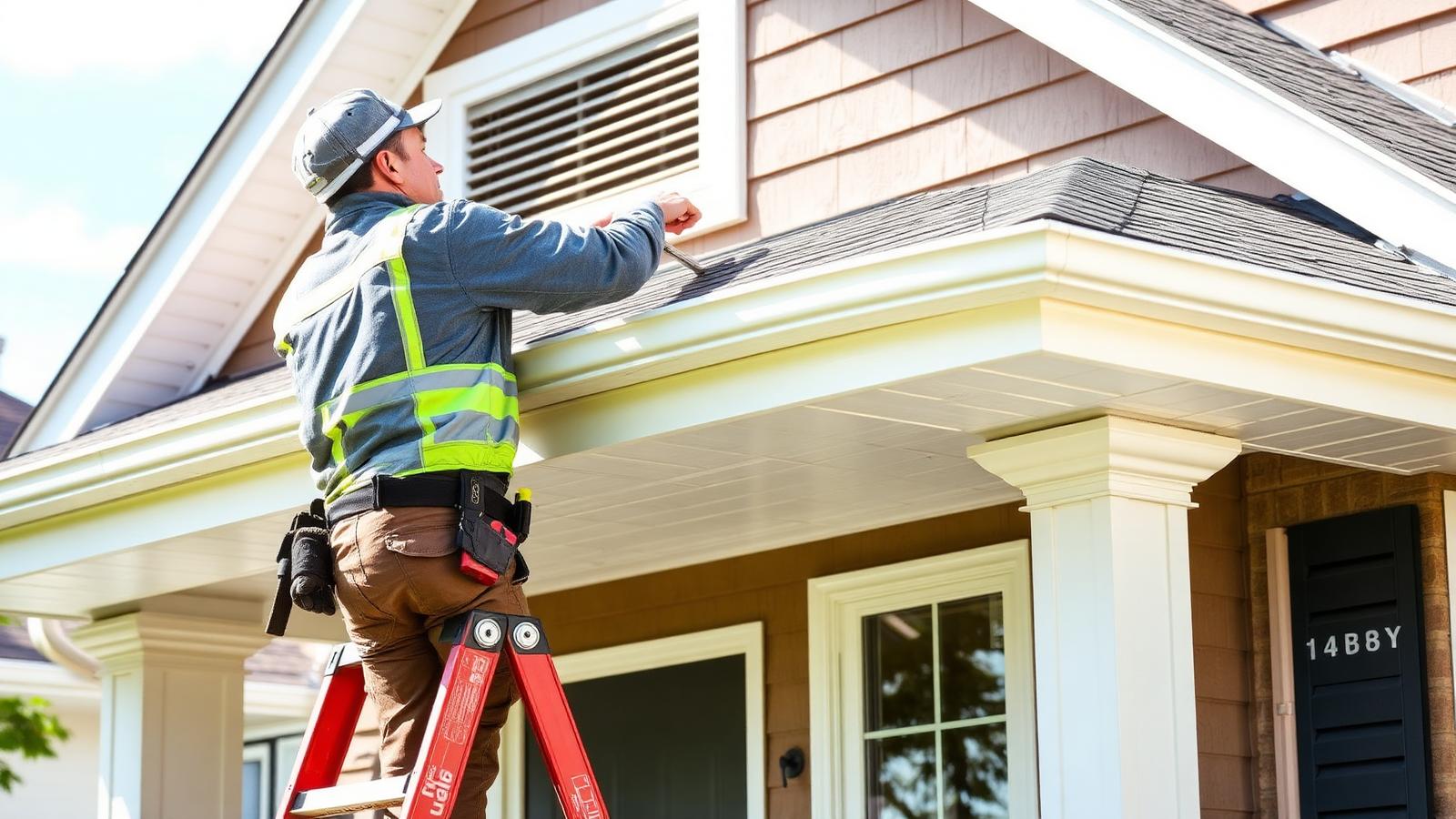
Fascia and soffit repair in the GTA typically costs $12 to $28 per linear foot for aluminum, more for wood replacement due to rot removal and priming. Most failures start with overflowing gutters soaking the fascia board behind them, or squirrels chewing through a soffit return. Full perimeter replacement on an average detached home runs $2,500 to $6,000.
- Aluminum fascia and soffit repair runs $12-$28 per linear foot in the GTA; wood fascia replacement with rot removal runs $20-$45 per linear foot.
- Gutter overflow is the single biggest cause of fascia rot - a gutter that spills over during rain funnels water directly behind the board every storm.
- Soffit provides intake ventilation for the attic; blocking it with insulation or paint is a leading cause of ice damming and mould in GTA attics.
- Squirrels and birds most often enter through soffit corner returns and gaps at the fascia-to-soffit joint, not through open vents.
- A full perimeter fascia and soffit job on a typical detached GTA home runs $2,500-$6,000 depending on storeys, material and rot extent.
- Typical GTA cost
- $2,500 - $6,000 (full perimeter, detached home)
- Aluminum fascia per linear foot
- $18 - $28
- Timeline
- 1 - 2 days for a full detached home
- Permit needed
- No, in Toronto and most GTA municipalities
- DIY vs pro
- Ground-floor sections DIY-feasible; second-storey best left to a pro
- Best season
- Spring through late fall (above roughly 5 C for sealant cure)
- Common root cause
- Overflowing or clogged gutters soaking the fascia board
What fascia and soffit actually do
Fascia is the vertical board that runs along the edge of the roofline, right where the gutter is hung. Soffit is the panel underneath the roof overhang, closing the gap between the fascia and the house wall. Together they finish the roofline, but they are not just trim. The fascia is a structural anchor point - it carries the weight of the gutter and everything in it, including ice and standing water. The soffit is the intake side of your attic's ventilation system, pulling in outside air that is supposed to exit through roof vents higher up.
When either one fails, the damage is rarely limited to the piece itself. A rotted fascia board lets the gutter sag or pull away entirely. A blocked or damaged soffit starves the attic of intake air, which in a GTA winter shows up as ice damming, frost on the underside of the roof deck, and eventually mould on the sheathing.
Why gutter overflow is the number one cause of fascia rot
Fascia boards, especially the wood ones behind aluminum capping on older GTA homes, are not designed to sit in water. When a gutter is undersized, clogged with leaves, or pitched wrong, it overflows during heavy rain instead of draining to the downspout. That overflow runs down the back side of the gutter and soaks directly into the top edge of the fascia board, which is usually the least protected surface on the entire house.
This is a slow failure. The wood swells, dries, swells again through dozens of storms a year, and the paint or aluminum capping hides the damage until the board is soft enough to push a screwdriver through. By the time a homeowner sees sagging gutter brackets or a strip of peeling paint below the roofline, the fascia underneath is often rotted along several feet, not just at one spot.
Aluminum vs wood vs vinyl
Almost every GTA home built before the 1990s has real wood fascia and soffit, often later capped in aluminum to reduce maintenance. Homes built since then are more likely to have factory-finished aluminum or vinyl systems from the start. Each material behaves differently once water gets involved.
Wood
Solid wood fascia (typically 1x6 or 1x8 pine or spruce) looks good when painted and maintained, but it is the material most vulnerable to rot once the paint film cracks. Wood soffit, often tongue-and-groove or plywood, holds up reasonably well if it stays dry but delaminates quickly once water gets behind it.
Aluminum
Aluminum fascia capping and vented aluminum soffit panels are the standard replacement choice across the GTA. Aluminum does not rot and needs no repainting, but it can dent from ladder contact or hail, and thin low-gauge product can oil-can (ripple) in temperature swings. It is available pre-vented for soffit or solid for fascia-adjacent applications.
Vinyl
Vinyl soffit is common on newer builds and is inexpensive, but it becomes brittle in extreme cold and can crack on a -20 C January day if struck or flexed. It handles moisture well but is the least durable option for a house that will see 40 winters.
| Material | Typical lifespan | Best use |
|---|---|---|
| Painted wood fascia | 10 - 20 yrs (paint dependent) | Heritage or character homes matching original trim |
| Aluminum-capped wood fascia | 20 - 30 yrs | Most GTA detached and semi retrofits |
| Solid aluminum fascia | 30 - 40 yrs | New installs, full replacements |
| Vented aluminum soffit | 30 - 40 yrs | Standard GTA soffit replacement |
| Vinyl soffit | 15 - 25 yrs | Budget installs, moderate climate exposure |
The ventilation role: soffit intake vs roof exhaust
An attic needs a balanced flow of air: cool outside air enters low, through the soffit, and warm moist air exits high, through roof or ridge vents. This is not optional in a GTA winter - it is what keeps the underside of the roof deck cold enough that snow does not melt from attic heat and refreeze at the eaves as ice damming.
Vented soffit only works if the path behind it is actually open. Two things routinely block it: blown-in attic insulation pushed too far toward the eaves without baffles, and a previous fascia or roofing job where the soffit vents were painted over or covered with a solid panel during a quick fix. Both mistakes are extremely common in GTA attics we inspect, and both cause the same result - frost on the roof sheathing by January and ice damming by February.
Squirrels, birds and the soffit return
The corner where two runs of soffit meet, called the soffit return, is the weakest point in the whole system and the most common wildlife entry point on GTA homes. Squirrels chew through the thin aluminum or vinyl at the return joint in a matter of minutes once they find a soft spot, and once inside they travel along the space between soffit and roof deck straight into the attic.
Birds, especially starlings, exploit the same gap but more often at a lifted or gapped fascia-to-soffit seam rather than chewing through material. Both problems get worse the longer a damaged section sits open, because scent and sound attract more animals to the same spot.
- Check soffit returns at every outside corner for chewed edges or dark staining (animal oils leave a greasy mark around a used entry hole).
- Listen for scratching or scampering in the early morning and evening, which is squirrel activity, not birds.
- Look for a section of soffit that flexes or drops slightly when pressed - that is often a sign the fasteners have pulled loose behind an animal entry.
- Never seal an active entry hole before confirming the animal is out; trapping wildlife inside creates a bigger and smellier problem.
Fascia and soffit repair cost in the GTA
Pricing is quoted per linear foot for straightforward runs and by the job for corners, returns, and rot repair that requires opening up the area behind the board. A single-storey bungalow with a simple roofline is priced very differently from a two-storey home with dormers, bay windows and multiple roof valleys.
| Work | Typical GTA price |
|---|---|
| Aluminum fascia capping, per linear foot | $8 - $16 |
| Aluminum fascia replacement (board + capping), per linear foot | $18 - $28 |
| Wood fascia board replacement with rot removal, per linear foot | $20 - $45 |
| Vented aluminum soffit, per linear foot | $10 - $22 |
| Vinyl soffit, per linear foot | $8 - $16 |
| Soffit return repair (per corner) | $120 - $300 |
| Squirrel entry point repair and seal | $150 - $400 |
| Full perimeter fascia and soffit, average detached home | $2,500 - $6,000 |
Repair vs full replacement
A short section of rot, one damaged corner return, or a single animal entry point is a repair job, usually completed in a few hours. Full replacement makes more sense once rot has spread along multiple sections, when the fascia has pulled away from the rafter tails in several places, or when the existing material is old enough that matching a patch to the rest of the run is not realistic.
- Inspect the full perimeter, not just the section that is visibly failing - rot rarely stays confined to one board.
- Check the rafter tails behind the fascia for softness once the board is off; a rotted rafter tail changes the scope significantly.
- Confirm the gutter and downspout system before repairing fascia, since a fixed board behind a still-overflowing gutter will fail again.
- Decide on capping vs full tear-off based on how much of the existing wood is sound.
- Match soffit venting to your attic's intake needs, not just to what was there before.
Contractor vetting checklist
Fascia and soffit work is roofline work, which means it involves ladders, sometimes scaffolding, and exposure to fall hazards. It is also easy for a low-quality contractor to hide a bad repair under fresh capping. A few direct questions before hiring separate a proper trade from a quick fix.
- Do you inspect and repair the rafter tails if the fascia board underneath is rotted, or only replace the visible capping?
- Will you check and correct the gutter pitch and downspout capacity as part of the job, since that is usually the root cause?
- Do you install baffles at the soffit to maintain attic airflow, or just swap panels?
- Are soffit returns and corners rebuilt with new material or patched with sealant?
- What is your fall protection and insurance coverage for roofline work?
- Do you provide a written scope before starting, including linear footage and material grade?
Straight answers
Short, sourced answers to the questions GTA homeowners ask most about this topic.
What causes fascia board rot in the GTA?
Fascia board rot in the GTA is most often caused by gutter overflow, where rainwater spills over the back lip of a clogged or undersized gutter and soaks directly into the top edge of the fascia. Repeated wetting and drying through dozens of storms per year swells and softens the wood long before visible paint damage appears.
What is the difference between fascia and soffit?
Fascia is the vertical board at the roof edge that carries the gutter, while soffit is the horizontal panel underneath the roof overhang that closes the gap to the wall. A fascia board handles structural load from the gutter; a soffit panel handles attic intake ventilation.
How much does fascia repair cost in Toronto?
Fascia repair in Toronto typically costs $18 to $28 per linear foot for aluminum capping and board replacement, or $20 to $45 per linear foot for wood fascia that requires rot removal. A full perimeter job on an average detached home runs $2,500 to $6,000.
Why do squirrels chew through soffit?
Squirrels chew through soffit at the corner returns, the joint where two soffit runs meet, because the material there is thinner and easier to break through than a flat panel. Once inside, squirrels travel along the space between the soffit and roof deck directly into the attic.
Does blocked soffit ventilation cause ice dams?
Yes, blocked soffit ventilation is a leading cause of ice damming in the GTA. When intake air cannot reach the attic, heat builds under the roof deck, melts snow near the ridge, and that meltwater refreezes at the cold eaves, forming an ice dam that can back water up under the shingles.
Is aluminum or wood fascia better?
Aluminum fascia is generally the better long-term choice for GTA homes because it does not rot and needs no repainting, lasting 30 to 40 years versus 10 to 20 years for painted wood. Wood fascia is still used on heritage homes where matching original trim profiles matters more than maintenance-free performance.
How much fascia and soffit work is DIY-safe?
Ground-floor sections reachable from a stable ladder with basic carpentry tools are reasonably DIY-safe for an experienced homeowner. Second-storey work, anything near power lines, or repairs that involve removing an existing gutter system carry fall risk that is better handled by a roofing contractor with fall protection equipment.
Do I need a permit for soffit and fascia replacement in the GTA?
No permit is required for soffit and fascia replacement in Toronto or most GTA municipalities, since the work is classified as exterior cosmetic and maintenance work under the Ontario Building Code and does not alter structural framing.
60-minute callback. No obligation. GTA-wide.
Frequently asked questions
How do I know if my fascia is rotted?
Look for peeling paint just below the gutter line, a soft or spongy feel when you press the board with a gloved hand, sagging gutter brackets, or dark water staining on the soffit directly beneath the fascia.
Can I repair fascia myself?
Short sections at ground-floor level with basic carpentry skills and a safe ladder setup are DIY-feasible. Second-storey work, anything near power lines, or repairs behind an existing gutter system are best left to a roofing contractor with proper fall protection.
Does fascia repair require a permit in Toronto?
No. Fascia and soffit repair and replacement are cosmetic and maintenance work under the Ontario Building Code and do not require a permit in Toronto or most GTA municipalities, provided no structural framing is altered.
How long does a full soffit and fascia job take?
A typical detached home takes one to two days for full perimeter replacement, depending on roofline complexity and whether rotted rafter tails need repair before new material goes up.
What time of year is best for this work?
Spring through late fall, when temperatures stay above roughly 5 C, since sealants and caulking used at joints and returns need to cure properly. Emergency wildlife-related repairs are done year-round.
Will new soffit stop squirrels from coming back?
New material stops the current entry point, but squirrels will test other weak spots on the same roofline. Pairing the repair with a general soffit return inspection reduces the chance of a repeat entry elsewhere.
Does homeowner's insurance cover fascia rot?
Usually not. Rot from gradual gutter overflow is treated as a maintenance issue, not a sudden loss, so most Ontario home insurance policies exclude it. Sudden animal damage or a specific storm event is more likely to be covered - check your policy wording.
Can fascia be painted instead of replaced?
Sound wood fascia with surface paint failure can be scraped, primed and repainted. Once the wood is soft or delaminating, paint will not restore structural integrity and replacement or aluminum capping is the correct fix.
Written by The Diamond Home Services Team — Roofing and exterior trim specialists - Toronto & the GTA. Last fact-checked .
- Ontario Building Code — Governs permit requirements for exterior repair and cladding work
- CMHC — Guidance on attic ventilation balance and ice dam prevention
- City of Toronto Building Permits — Confirms exemption for cosmetic exterior repairs
Book this service in your area
Keep reading
- RoofingRoof Replacement Cost in the GTA: Shingles vs Metal vs Flat (2026)
What a full roof replacement actually costs across Toronto, Mississauga and Vaughan in 2026 - shingles, metal and flat membrane compared, plus the code requirements that change your quote.
- GuttersEavestrough and Downspout Sizing for Toronto Rainfall (Complete Guide)
Most eavestrough failures in Toronto are sizing failures, not material failures. Here is the actual math behind 5-inch vs 6-inch gutter and 2x3 vs 3x4 downspouts, and what Toronto's rainfall intensity means for your roof.
- SeasonalWinter Home Safety: The 20-Point GTA Pre-Season Checklist
Twenty specific checks, in the right order, between September and November, so your chimney, furnace, water heater and roof are ready before the first cold snap hits the GTA.