
Winter Home Safety: The 20-Point GTA Pre-Season Checklist
Twenty specific checks, in the right order, between September and November, so your chimney, furnace, water heater and roof are ready before the first cold snap hits the GTA.
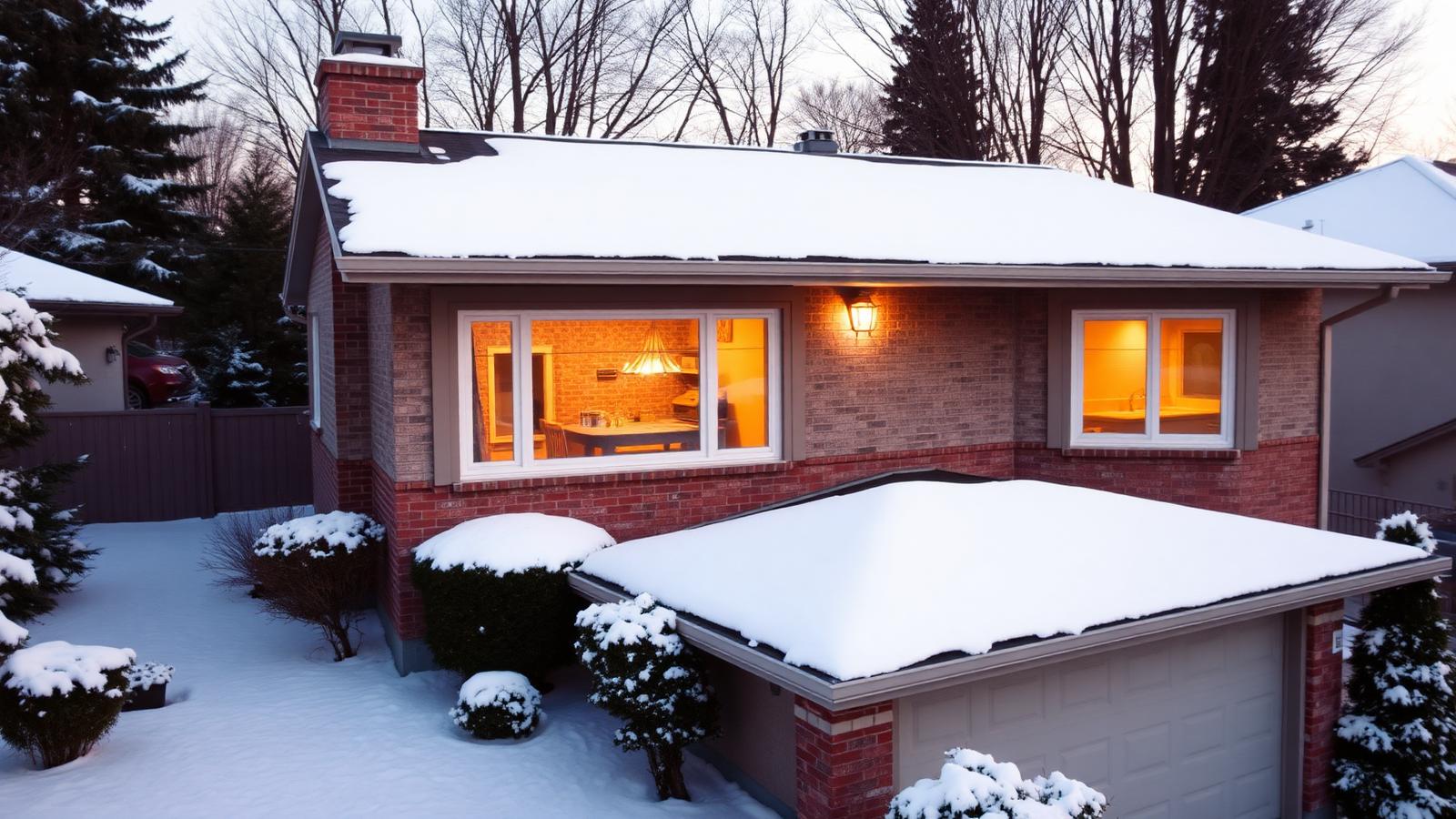
A GTA winter home safety checklist has 20 core items: chimney and flue inspection, fireplace and gas appliance venting checks, furnace flue and heat exchanger inspection, water heater venting and TPR valve check, dryer vent cleaning, roof and flashing inspection, eavestrough cleaning, CO and smoke alarm testing, pipe insulation, and ice-dam prevention. Most homeowners can complete it in a weekend, spending $600 to $1,500 on the professional portions.
- Book chimney and furnace flue inspections in September or early October, before the first cold snap and before HVAC companies book solid.
- A blocked dryer vent is a documented house fire cause; cleaning it once a year costs $149 to $249 in the GTA and takes under 90 minutes.
- Ice damming from clogged eavestroughs causes some of the most expensive winter insurance claims in the GTA, often $3,000 to $10,000 in ceiling and insulation damage.
- Every home needs a working CO alarm on every storey and outside sleeping areas under the Ontario Fire Code; test batteries twice a year at minimum.
- Pipe freeze prevention on exterior walls and unheated crawlspaces costs $5 to $15 per faucet in foam covers versus $1,500 to $6,000 to fix a burst pipe.
- Total checklist items
- 20
- Best window to complete it
- September - November
- Typical time commitment
- One weekend, plus 2-3 pro visits
- Professional portion cost
- $600 - $1,500
- DIY portion cost
- $50 - $200 in materials
- Highest-risk skipped item
- Dryer vent and chimney flue blockage
Why the GTA needs a pre-season checklist, not a to-do list
Every fall we get the same calls in the last week of November: a furnace that will not start on the coldest night of the year so far, a chimney cap that blew off in October and nobody noticed until snow was coming down the flue, a frozen hose bib that split a copper line inside the wall. None of these are surprises. They are maintenance items that had a two-month window to get fixed cheaply and instead got fixed as an emergency, at emergency rates, in December weather.
This checklist is built the way we actually do it for our own maintenance clients across Toronto, Mississauga, Vaughan, Brampton and Markham: in order, with realistic timing, and with an honest note on which items you can do yourself and which ones need a licensed technician on a ladder or inside a flue.
Chimney and fireplace: items 1-5
- Full chimney sweep and Level 1 inspection if the fireplace or wood stove was used last season - removes creosote before the first burn.
- Chimney cap and crown check - a missing or cracked cap lets rain and snow directly into the flue and is the single most common cause of masonry spalling.
- Damper operation test - a damper that will not close fully wastes heated air all winter; one that will not open fully can trap combustion gases.
- Firebox and flashing check where the chimney meets the roofline - the number one source of chimney-related roof leaks in the GTA.
- Gas fireplace pilot, igniter and venting check if you have a direct-vent or B-vent gas unit - confirm the appliance ignites reliably and vents correctly before you need it on a cold night.
| Chimney/fireplace item | DIY or pro | Typical GTA cost |
|---|---|---|
| Chimney sweep and Level 1 inspection | Pro | $189 - $349 |
| Chimney cap replacement | Pro | $225 - $650 |
| Damper adjustment or replacement | Pro (DIY test only) | $0 test / $150 - $400 repair |
| Flashing repair at chimney | Pro | $300 - $900 |
| Gas fireplace annual service | Pro | $150 - $275 |
Furnace venting and water heater: items 6-10
6. Furnace flue and heat exchanger inspection
Most GTA furnaces vent through a metal flue into a shared chimney or a dedicated PVC intake/exhaust for high-efficiency units. A technician should check the flue for corrosion, disconnection and proper slope, and run a combustion analysis to confirm the heat exchanger is not cracked - a cracked exchanger can leak carbon monoxide into the supply air.
7. Furnace filter and blower service
A clogged filter restricts airflow, makes the system work harder, and shortens the life of the blower motor. Replace it before the season starts and set a reminder for every 60-90 days through winter.
8. Water heater venting and draft check
Atmospherically vented gas water heaters rely on a draft hood and a properly sized flue. Backdrafting - where exhaust spills into the mechanical room instead of rising up the flue - is more common in tightly sealed, newly insulated GTA homes and needs to be caught with a spillage test, not guessed at.
9. Water heater TPR valve and anode rod check
The temperature and pressure relief valve is the tank's safety release; it should be tested annually by lifting the lever briefly and confirming it seats back down without dripping. The anode rod protects the tank from corrosion from the inside and is worth checking every two to three years on GTA municipal water.
10. CO alarm placement relative to fuel-burning appliances
Confirm there is a working carbon monoxide alarm within the sleeping area's hallway and near (not directly beside) each fuel-burning appliance, matching Ontario Fire Code requirements for homes with a fuel-fired appliance or attached garage.
Dryer vent, roof and eavestroughs: items 11-15
These three systems fail for the same underlying reason every fall: debris and lint accumulation that summer weather does not clear on its own. Fallen leaves finish the job that summer storms started.
- Dryer vent cleaning - a lint-restricted vent is a documented residential fire cause and also makes your dryer run hotter and longer than it should.
- Roof shingle and flashing inspection - look for lifted, cracked or missing shingles and check flashing around every penetration (chimney, plumbing stacks, skylights).
- Eavestrough and downspout cleaning - clogged gutters back water up under shingles and are the direct precursor to ice damming.
- Downspout extension check - confirm water is discharged at least three to six feet from the foundation, not pooling against it before it freezes.
- Attic ventilation and insulation check - uneven attic temperatures are the root cause of ice dams, not just gutter debris.
| Roof/venting item | DIY or pro | Typical GTA cost |
|---|---|---|
| Dryer vent cleaning | Pro (recommended) | $149 - $249 |
| Roof shingle/flashing inspection | Pro | $0 - $150 (often free with quote) |
| Eavestrough cleaning (single storey) | DIY or pro | $99 - $189 |
| Eavestrough cleaning (two storey) | Pro (ladder safety) | $149 - $269 |
| Downspout extension add-on | DIY | $10 - $30 |
| Attic insulation top-up | Pro | $800 - $2,500 |
Cold-weather protection: items 16-20
16. Exterior hose bib shutoff and insulation
Shut off the interior valve for outdoor hose bibs, drain the line, and disconnect garden hoses before the first hard freeze - typically mid to late October across the GTA. A foam hose bib cover costs a few dollars and prevents the single most common winter pipe-freeze claim.
17. Pipe insulation on exterior walls and crawlspaces
Any water line running through an unheated crawlspace, garage, or exterior-wall cavity should be wrapped in foam pipe insulation before winter. This is the cheapest line item on this whole checklist relative to the damage it prevents.
18. Smoke alarm test and battery replacement
Test every smoke alarm and replace batteries in units that are not hardwired or ten-year sealed. Confirm at least one alarm on every storey, matching Ontario Fire Code minimums.
19. Furnace humidifier and thermostat check
If your furnace has a whole-home humidifier, replace or clean the pad and confirm the water supply valve is not seized. Verify your thermostat holds setpoint and, if it is a smart thermostat, that firmware and Wi-Fi connections are current before you rely on remote monitoring for a vacant property.
20. Emergency shutoff familiarity
Every household member who might be home alone during a leak or gas smell should know where the main water shutoff and gas shutoff valves are and how to operate them. This costs nothing and is the item most homes skip entirely.
The weekend walk-through
If you only have one weekend, here is the order that catches the highest-risk items first: start outside at the roofline, work down to the eavestroughs, move to the exterior hose bibs, then go inside to the mechanical room and finish with alarms.
- Walk the roofline from the ground with binoculars, noting any lifted shingles, damaged flashing or a leaning chimney cap.
- Clean or hire out eavestrough and downspout clearing, and confirm downspouts discharge away from the foundation.
- Shut off and drain exterior hose bibs, then install foam covers.
- Wrap any exposed pipe in unheated spaces (crawlspace, garage, exterior wall access panels).
- Book or confirm the chimney sweep and inspection appointment if you have a wood-burning or gas fireplace.
- Book or confirm the furnace tune-up and combustion safety check.
- Have the dryer vent cleaned, especially if it has been more than 12 months.
- Test every smoke and CO alarm, replace batteries, and confirm placement matches Ontario Fire Code minimums.
Timing it against a GTA winter
September is early enough to book without a wait. October is when most GTA homeowners actually get to it, and it is still comfortable roof and ladder weather. By November, temperatures are dropping toward freezing overnight, roof work becomes riskier, and HVAC companies are running flat out on no-heat emergency calls rather than routine tune-ups. Anything on this list not done by the third week of November should be treated as urgent, not routine.
What the full checklist costs, start to finish
A homeowner doing every DIY item themselves and hiring out the chimney sweep, furnace tune-up, dryer vent cleaning and a two-storey eavestrough clean typically spends $600 to $1,500 total across all three professional visits. That is a fraction of what a single burst pipe, furnace breakdown, or chimney fire costs to remediate - most single incidents in that category run well past $3,000 once drywall, flooring or masonry repair is involved.
Straight answers
Short, sourced answers to the questions GTA homeowners ask most about this topic.
What are the most important items on a GTA winter home safety checklist?
The highest-risk items on a GTA winter home safety checklist are chimney sweep and inspection, furnace flue and heat exchanger inspection, dryer vent cleaning, eavestrough clearing to prevent ice damming, and CO/smoke alarm testing. These five items address fire, carbon monoxide, and major water-damage risks and should be completed before late November.
When should GTA homeowners schedule chimney and furnace inspections?
GTA homeowners should schedule chimney and furnace inspections in September or October, before the first cold snap and before HVAC and chimney companies book solid with no-heat emergency calls in November. Early booking also allows time to schedule any repairs before the coldest weather arrives.
How much does a pre-winter home safety checklist cost in the GTA?
A pre-winter home safety checklist in the GTA typically costs $600 to $1,500 when the chimney sweep, furnace tune-up, dryer vent cleaning, and eavestrough service are all hired out professionally. DIY items like pipe insulation and hose bib shutoffs add another $50 to $200 in materials.
What causes ice damming on GTA homes?
Ice damming on GTA homes is caused by uneven roof surface temperatures, usually from poor attic insulation or ventilation, that melt snow near the roof peak while the eaves stay frozen. The meltwater refreezes at the cold eaves, forms a dam, and backs up under shingles into the attic and ceiling.
How often should a dryer vent be cleaned before winter?
A dryer vent should be cleaned at least once a year before winter, and every 12 to 18 months for a light-use household. Restricted dryer vents are a documented residential fire cause and also make a dryer take multiple cycles to dry a single load.
Do GTA homes need a carbon monoxide alarm near the furnace?
GTA homes need a working carbon monoxide alarm on every storey and outside sleeping areas under the Ontario Fire Code whenever there is a fuel-burning appliance or an attached garage. Placement should be near, but not directly beside, the furnace, water heater or fireplace.
What is the risk of skipping a fall furnace tune-up?
Skipping a fall furnace tune-up risks a cracked heat exchanger going undetected, which can leak carbon monoxide into the supply air, along with a higher chance of a mid-winter breakdown from a clogged filter or seized blower motor. A tune-up with combustion analysis costs far less than an emergency no-heat call in January.
How do I prevent frozen pipes in a GTA home?
Preventing frozen pipes in a GTA home means shutting off and draining exterior hose bibs before the first hard freeze, wrapping any pipe in an unheated crawlspace, garage or exterior wall in foam insulation, and keeping cabinet doors open on exterior-wall plumbing during extreme cold snaps.
60-minute callback. No obligation. GTA-wide.
Frequently asked questions
What order should I do the winter checklist in?
Start with the roof and gutters while weather is still dry, then hose bibs and pipe insulation, then book chimney, furnace and dryer vent professional visits, and finish by testing every smoke and CO alarm in the house.
Can I do the whole checklist myself?
Roughly half of it is safe DIY work - gutter clearing on a single storey, hose bib shutoffs, pipe insulation and alarm testing. Chimney, furnace combustion, and gas water heater venting checks need a licensed technician with combustion analysis tools.
How much does a full pre-winter service package cost in the GTA?
Combining a chimney sweep and inspection, furnace tune-up, and dryer vent cleaning typically runs $500 to $850 in the GTA when booked together, versus $700-$950 booked as three separate visits.
What happens if I skip the chimney inspection?
An uninspected chimney can have a blocked flue, cracked liner, or missing cap that goes unnoticed until the first fire of the season, at which point smoke or carbon monoxide backup, or a chimney fire from creosote buildup, becomes a real risk.
Is it too late to do this checklist in December?
No, but it becomes urgent rather than routine. Roof and gutter work gets harder and riskier once there is ice or snow, and HVAC and chimney companies are booked with emergency no-heat calls, so expect longer wait times and higher urgency pricing.
Do new-build GTA homes still need this checklist?
Yes. New homes still need dryer vent cleaning, furnace filter changes, and eavestrough clearing on the same schedule. Chimney items only apply if the home has a fireplace or wood stove, but gas appliance venting checks still apply to the furnace and water heater.
What is the single most skipped item on this list?
Testing CO and smoke alarms and confirming the shutoff valve locations. Both take minutes and cost nothing, but homeowners consistently skip them in favour of the visible items like gutter cleaning.
Should renters do this checklist too?
Renters should confirm with their landlord that the chimney, furnace and CO alarms have been serviced, and can safely do the DIY items themselves - testing alarms, checking hose bib shutoffs if accessible, and reporting any visible roof or gutter issues.
Written by The Diamond Home Services Team — Seasonal home safety specialists - Toronto & the GTA. Last fact-checked .
- Ontario Fire Code — Smoke and carbon monoxide alarm placement requirements for residential occupancies
- NFPA 211 — Standard for chimneys, fireplaces, vents and solid fuel-burning appliances
- TSSA — Technical Standards and Safety Authority - fuel-burning appliance and venting oversight in Ontario
- CSA B149.1 — Natural gas and propane installation code referenced for appliance venting
- City of Toronto — Seasonal home maintenance and building permit guidance
Book this service in your area
Keep reading
- Dryer VentDryer Vent Cleaning Cost in Toronto & the GTA (2026 Prices)
A straight answer on dryer vent cleaning prices in the GTA, what makes one quote $149 and the next $399, and the questions that stop an upsell before the van arrives.
- GuttersEavestrough and Downspout Sizing for Toronto Rainfall (Complete Guide)
Most eavestrough failures in Toronto are sizing failures, not material failures. Here is the actual math behind 5-inch vs 6-inch gutter and 2x3 vs 3x4 downspouts, and what Toronto's rainfall intensity means for your roof.
- Homeowner GuideDo I Need a Permit? GTA Rules for Chimney, Roof and Venting Work
A clear answer to whether your roof, chimney or venting project needs a municipal permit or a TSSA-registered contractor, with real fee ranges and the resale risk of skipping the paperwork.