
Chimney Repointing and Brick Repair: When It Is Urgent (GTA)
Crumbling mortar, flaking brick faces and a cracked crown are not always emergencies, but sometimes they are. Here is how a GTA mason tells the difference and what each repair level costs.
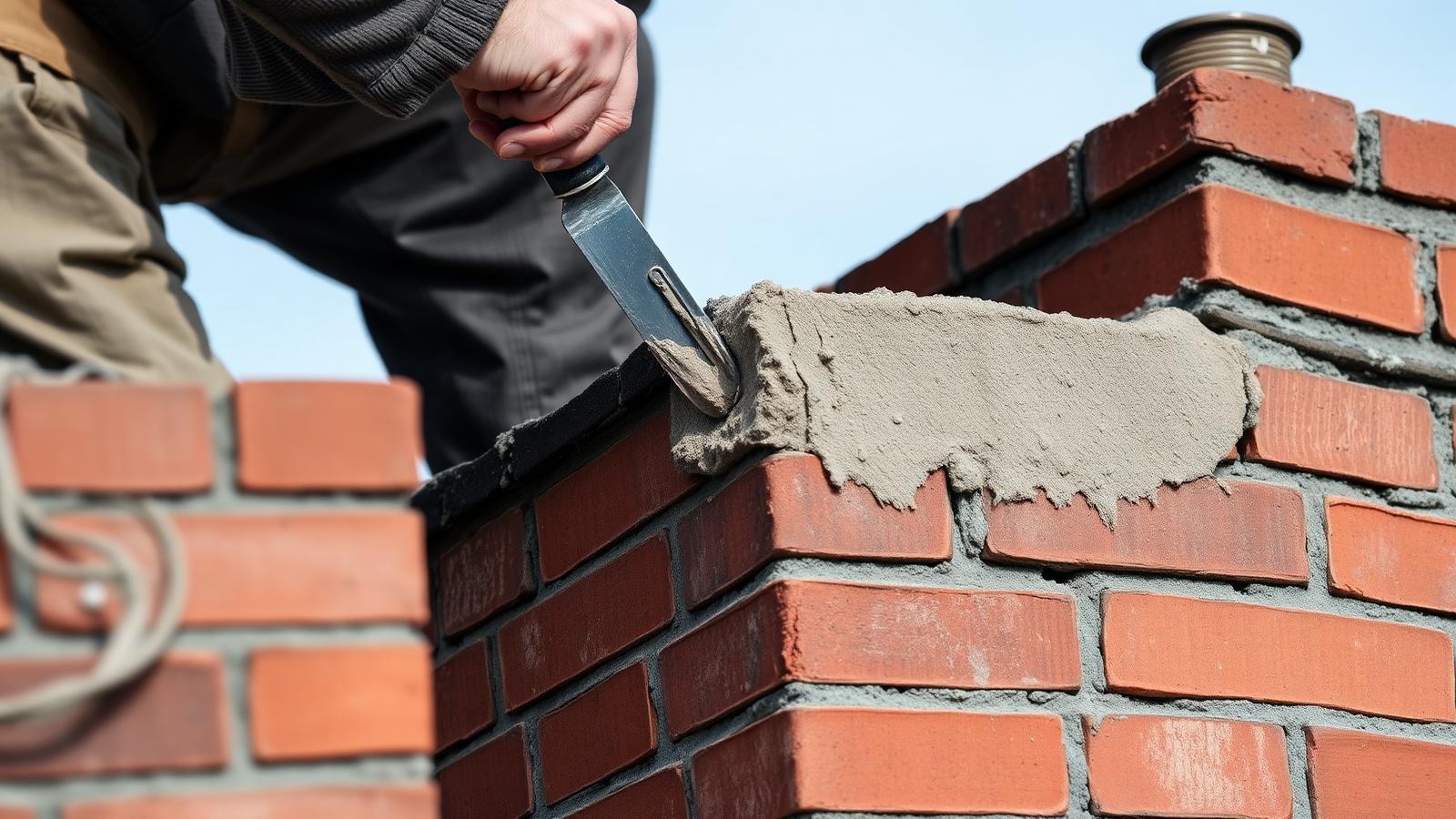
Chimney repointing costs $600 to $2,200 for a typical GTA chimney and is urgent when mortar has eroded more than a half-inch deep, brick faces are spalling off, or you can see daylight or feel water entry inside the flue. Ignoring it through even one more GTA freeze-thaw winter can turn a $1,200 repointing job into a $6,000-$12,000 partial or full rebuild.
- GTA freeze-thaw cycles run 30-40 times a winter, and each cycle drives water deeper into cracked mortar and spalled brick faces.
- Repointing (tuckpointing) costs $600-$2,200 for most GTA chimneys; a partial rebuild of the top few feet runs $2,500-$6,000; a full rebuild runs $6,500-$14,000+.
- Mortar joints eroded more than 1/4 to 1/2 inch deep, or brick faces flaking off (spalling), are past the point of a cosmetic fix.
- A cracked chimney crown lets water into the masonry from the top down and is the single most common cause of a chimney needing a rebuild within 5-10 years.
- Spring through early fall is the only realistic repointing season in the GTA - mortar needs temperatures consistently above 5C to cure properly.
- Typical GTA cost (repointing)
- $600 - $2,200
- Typical GTA cost (partial rebuild)
- $2,500 - $6,000
- Typical GTA cost (full rebuild)
- $6,500 - $14,000+
- Timeline on site
- 1 day repointing, 1-2 days partial, 2-4 days full rebuild
- Permit needed
- Usually not for repointing; often required for full rebuild
- DIY vs pro
- Professional only - height, mortar mix and flue alignment all matter
- Best season
- May through early October, above 5C consistently
Why GTA chimneys erode faster than you would expect
A chimney is the most exposed masonry structure on most houses - it stands above the roofline, takes wind-driven rain from every direction, and has no overhang protecting it. In the GTA, that exposure meets a climate that cycles through freezing and thawing dozens of times each winter, sometimes several times in a single week during a typical Toronto or Mississauga January thaw.
Mortar is porous by design and absorbs a small amount of water. When that water freezes, it expands roughly 9% in volume, and the expansion pushes microscopic cracks wider every single cycle. A joint that looked fine in October can be visibly crumbling by March, and a chimney that has gone 20-30 years without attention has usually absorbed thousands of these freeze-thaw cycles.
Spalling: when the brick itself starts to fail
Spalling is different from mortar erosion - it is the brick face itself flaking, popping or crumbling off in chunks, often leaving a pitted or rounded look where a sharp brick edge used to be. It happens when water gets inside the brick (through failed mortar, a cracked crown, or simply an older, more porous brick) and then freezes, and the expanding ice breaks the face of the brick off from the inside.
Once spalling starts, it accelerates. Each damaged brick face exposes more porous material underneath, which absorbs more water, which spalls further on the next freeze. A few spalled bricks scattered across a chimney face is a watch-and-repair situation; spalling concentrated on one side, especially the north or shaded side that stays wet longer, usually means active water entry that needs tracing to its source before repointing goes ahead.
| Sign | Cosmetic (repointing candidate) | Urgent (rebuild likely needed) |
|---|---|---|
| Mortar joints | Shallow surface wear, sandy texture, some hairline cracks | Eroded more than 1/2 inch deep, missing in sections, crumbles under a screwdriver |
| Brick faces | A few scattered spalled bricks | Spalling concentrated on multiple courses or one full side |
| Chimney lean | None visible | Visible lean, separation from roofline, or shifted cap |
| Crown condition | Small hairline cracks, still shedding water | Wide cracks, chunks missing, crown pulling away from brick |
| Interior signs | None | Water stains on ceiling near chimney, rust on damper or firebox |
Why mortar should fail before brick, and why that matters
Traditional masonry is built on the principle that mortar is the sacrificial component - it is meant to be softer than the brick and to wear out first, protecting the more expensive and harder-to-replace brick units. That is exactly why repointing exists as a maintenance category rather than a repair of last resort: replacing mortar every 20-30 years is normal and expected.
The problem in a lot of GTA repointing jobs done by inexperienced crews is using a modern high-strength mortar (heavy in portland cement) instead of a traditional lime-based mix matched to the age of the brick. A mortar that is harder than the brick reverses the sacrificial relationship - now the brick wears out first, and once that starts, you cannot repoint your way out of it. Matching mortar hardness and colour to the existing masonry is not a cosmetic nicety, it is the difference between a repair that lasts 25 years and one that damages the chimney.
Crown cracks and why they are worse than they look
The chimney crown is the concrete or mortar cap covering the top of the masonry stack around the flue. It is the single most exposed surface on the entire chimney and the first thing to take direct rain, snow load and UV exposure. A crown with hairline cracks is common and usually manageable with a sealant or crown coating. A crown with wide cracks, missing chunks, or separation from the brick below is a direct funnel for water into the top of the chimney, where it runs down inside the flue liner and the masonry itself.
Because the crown sits at the very top, crown-driven water damage often shows up first as interior staining near the ceiling around the chimney chase, or as spalling concentrated at the top few courses of brick rather than spread evenly down the stack - a pattern that is a reliable clue for where to start looking.
The four ways water gets into a chimney
- Through a cracked or failed crown at the very top of the stack.
- Through eroded mortar joints anywhere along the brick face, especially on the weather-exposed side.
- Through failed or improperly installed flashing where the chimney meets the roofline.
- Through a missing or damaged chimney cap, allowing rain directly down the open flue.
A useful diagnostic habit: trace water stains back to their highest point of entry before assuming repointing alone will fix the problem. Flashing failures in particular get misdiagnosed as brick or mortar issues constantly, because the water travels down inside the chase before it becomes visible, showing up as a stain well below where it actually entered.
Repointing vs partial rebuild vs full rebuild
Repointing (tuckpointing)
Repointing removes the top layer of failed mortar (typically 3/4 to 1 inch deep) and packs new mortar into the joint, matched in colour and hardness to the original. It is appropriate when the brick units themselves are sound and the damage is limited to the mortar joints. Done properly, a repointing job should last 20-30 years before it needs attention again.
Partial rebuild
A partial rebuild takes down and rebuilds the top section of the chimney, usually from the roofline up or from a visible lean/failure point up, when spalling or structural movement has compromised the brick itself but the lower portion of the stack running through the house is still sound. This is the most common repair category for GTA chimneys over 40 years old with a damaged top few feet.
Full rebuild
A full rebuild removes the chimney down to the roofline or further and rebuilds it entirely, required when the deterioration runs through most of the visible stack, when the chimney has a structural lean throughout its height, or when the liner and structure both need replacement together. This is the most expensive and most disruptive option, but it is sometimes the only safe path for a chimney that has been neglected for 30+ years.
| Repair level | Typical GTA cost | When it applies |
|---|---|---|
| Crown repair or recoat only | $350 - $900 | Hairline crown cracks, brick and mortar otherwise sound |
| Repointing (full chimney) | $600 - $2,200 | Mortar erosion, brick faces intact |
| Repointing (spot/partial) | $350 - $800 | Localized erosion on one side or a few courses |
| Partial rebuild (top 3-6 ft) | $2,500 - $6,000 | Spalling or lean concentrated at the top of the stack |
| Full rebuild | $6,500 - $14,000+ | Structural failure through most of the visible chimney |
| Chimney cap replacement (add-on) | $250 - $650 | Often bundled with any of the above |
Why timing and season matter for this repair
Mortar needs to cure slowly in temperatures consistently above about 5C, which limits realistic repointing and rebuild work in the GTA to roughly May through early October. Work done too late in the fall risks the mortar freezing before it cures, which weakens the bond and can mean redoing the job the following spring. If a chimney is flagged as urgent in November or December, most GTA masons will stabilize it temporarily (a tarp, temporary flashing, or emergency crown patch) and schedule the permanent repair for the following spring rather than risk a cold-weather mortar failure.
What actually happens if you wait
Deferred chimney masonry repair follows a predictable path in the GTA climate. Understanding the sequence helps explain why a mason pushes back when a homeowner wants to wait another year.
- Year 0-1: Mortar erosion is visible but shallow; repointing alone resolves it fully.
- Year 1-3: Water penetration deepens, spalling begins on a few brick faces, and the interior liner may start showing moisture staining.
- Year 3-5: Spalling spreads, the crown may crack further from repeated freeze cycles, and repointing alone is no longer sufficient - a partial rebuild becomes necessary.
- Year 5+: Structural movement, visible leaning, or masonry failure through multiple courses pushes the job into full rebuild territory, and in worst cases the chimney becomes unsafe to use or requires emergency stabilization.
A homeowner's chimney inspection checklist
You can do a reasonable first-pass check from the ground with binoculars, and from inside near the firebox or flue access. Use this list once a year, ideally in spring after the winter freeze-thaw cycles have finished.
- Look at mortar joints from the ground: do they look recessed, sandy, or missing in sections?
- Check for brick fragments on the roof, in gutters, or on the ground near the chimney base.
- Look at the crown for visible cracks, chips, or separation from the brick.
- Check the chimney cap: is it present, intact, and properly seated?
- Look for a visible lean or separation between the chimney and the roofline.
- Inside, check for water stains on the ceiling or wall near where the chimney passes through the house.
- Check the firebox and damper for rust, which indicates persistent moisture.
- Note the last time the chimney was professionally inspected - annually is the standard recommendation.
Getting an accurate assessment
Photos from the ground can flag a problem, but they cannot reliably tell you whether a chimney needs repointing, a partial rebuild, or a full rebuild - that requires a hands-on inspection with a probe test on the mortar and a close look at the crown and cap from roof level. Book an inspection before committing to a repair level based on a phone estimate alone.
Straight answers
Short, sourced answers to the questions GTA homeowners ask most about this topic.
When is chimney repointing urgent versus cosmetic?
Chimney repointing becomes urgent when mortar joints have eroded more than a half-inch deep, brick faces are spalling and flaking off, brick fragments are found on the roof or ground, or water stains appear on an interior ceiling near the chimney. Shallow surface wear with intact brick faces is typically a scheduled repointing job rather than an emergency.
How much does chimney repointing cost in the GTA?
Chimney repointing in the GTA costs $600 to $2,200 for a full chimney, or $350 to $800 for a localized spot repair. Cost depends on chimney height, mortar depth of erosion, and whether scaffolding versus ladder access is needed.
What is the difference between repointing and rebuilding a chimney?
Repointing removes and replaces only the mortar joints while keeping the original brick, and applies when brick units are still sound. A partial or full rebuild removes and replaces the brick itself and is required when spalling, structural lean, or deep water damage has compromised the masonry units, not just the mortar between them.
Why do GTA chimneys erode faster than chimneys in milder climates?
GTA chimneys experience 30 to 40 freeze-thaw cycles per winter, and each cycle expands trapped water inside mortar and brick by roughly 9%, widening existing cracks. This repeated freeze-thaw action is the primary reason chimney mortar erosion progresses faster in the GTA than in climates without frequent winter thaws.
What causes brick spalling on a chimney?
Brick spalling happens when water gets inside a porous or damaged brick face and then freezes, and the expanding ice breaks the brick's surface off from the inside. Common entry points include failed mortar joints, a cracked chimney crown, or a missing chimney cap that lets rain fall directly down the flue.
What happens if chimney mortar erosion is left unrepaired?
Untreated chimney mortar erosion typically progresses from shallow surface wear to visible brick spalling within two to three GTA winters, and from spalling to structural movement requiring a partial or full rebuild within five years. A repair that would have cost roughly $1,000 as repointing commonly becomes a $3,500 to $6,000 partial rebuild after a few more winters of freeze-thaw damage.
What is the best season to repoint a chimney in Ontario?
The best season for chimney repointing in Ontario is late spring through early fall, roughly May through early October, when temperatures stay consistently above 5C so the mortar can cure properly. Mortar work done too late in the fall risks freezing before it fully cures, weakening the repair.
Can a damaged chimney let carbon monoxide into a house?
Yes, if the chimney vents a gas furnace, water heater or gas fireplace, masonry deterioration around the flue liner can allow combustion gases including carbon monoxide to leak into the living space. Any visible mortar or brick damage on a gas-vented chimney should be inspected promptly rather than treated as a cosmetic issue.
60-minute callback. No obligation. GTA-wide.
Frequently asked questions
How much does chimney repointing cost in the GTA?
Most GTA chimneys cost $600 to $2,200 for full repointing, or $350 to $800 for a localized spot repair on one side of the chimney.
How long does repointing last?
A properly done repointing job with mortar matched to the existing brick typically lasts 20 to 30 years before it needs attention again.
Can I repoint my own chimney?
It is not recommended. Working at chimney height requires fall protection, and mortar hardness has to be matched to the existing brick age - using the wrong mix can accelerate brick damage rather than prevent it.
Does homeowner's insurance cover chimney rebuild costs?
Usually not for gradual deterioration from age and weather, which is treated as a maintenance issue. Sudden damage from a specific event, such as a lightning strike or severe storm, is more likely to be covered - check your specific policy.
How do I know if a crack in my chimney crown is serious?
A single hairline crack that still sheds water is usually manageable with a sealant or recoat. Multiple wide cracks, missing chunks, or a crown separating from the brick below means active water entry and should be addressed the same season.
What is the difference between a chimney cap and a chimney crown?
The crown is the concrete or mortar slab covering the top of the entire masonry structure. The cap is the metal cover, usually with mesh sides, that sits over the flue opening itself to keep out rain, snow and animals. Both need to be intact for the chimney to stay dry.
Why does my neighbour's identical chimney look fine while mine is spalling?
Orientation matters. North-facing or shaded chimney sides stay wet longer after rain or snow, giving freeze-thaw cycles more time to act, while a south-facing side dries faster. Brick quality and original mortar mix can also vary even between similar-era homes.
How often should a chimney be inspected?
Annually is the standard recommendation, ideally in spring after the winter's freeze-thaw cycles are finished, and always before resuming regular use after a season of visible deterioration.
Will a chimney liner replacement fix mortar erosion?
No. A liner addresses the interior flue that carries combustion gases; mortar and brick repair addresses the exterior structure. A chimney can need both if water has been entering through masonry damage and has also corroded or cracked the liner.
Written by The Diamond Home Services Team — Masonry and chimney repair specialists - Toronto & the GTA. Last fact-checked .
- CSA A165 series — Standards for concrete masonry units and mortar used in Canadian masonry construction
- NFPA 211 — Standard for chimneys, fireplaces, vents and solid fuel-burning appliances
- Ontario Building Code — Masonry chimney construction and repair provisions (Div. B)
- WETT (Wood Energy Technology Transfer) — Inspection guidance for solid-fuel venting systems including masonry chimneys
Book this service in your area
Keep reading
- Cost GuideHow Much Does a Chimney Liner Cost in Toronto? (2026 Pricing)
What a chimney liner actually costs in Toronto in 2026, why a 1950s masonry chimney almost always needs one, and how to tell a fair relining quote from a lowball or a scare tactic.
- Wood StoveWood Stove and WETT Inspection Rules in Ontario, Explained
WETT certification is not a licence and a WETT inspection is not one fixed thing. Here is what Ontario homeowners and buyers actually need to know before their insurer asks.
- SeasonalWinter Home Safety: The 20-Point GTA Pre-Season Checklist
Twenty specific checks, in the right order, between September and November, so your chimney, furnace, water heater and roof are ready before the first cold snap hits the GTA.