
How Much Does a Chimney Liner Cost in Toronto? (2026 Pricing)
What a chimney liner actually costs in Toronto in 2026, why a 1950s masonry chimney almost always needs one, and how to tell a fair relining quote from a lowball or a scare tactic.
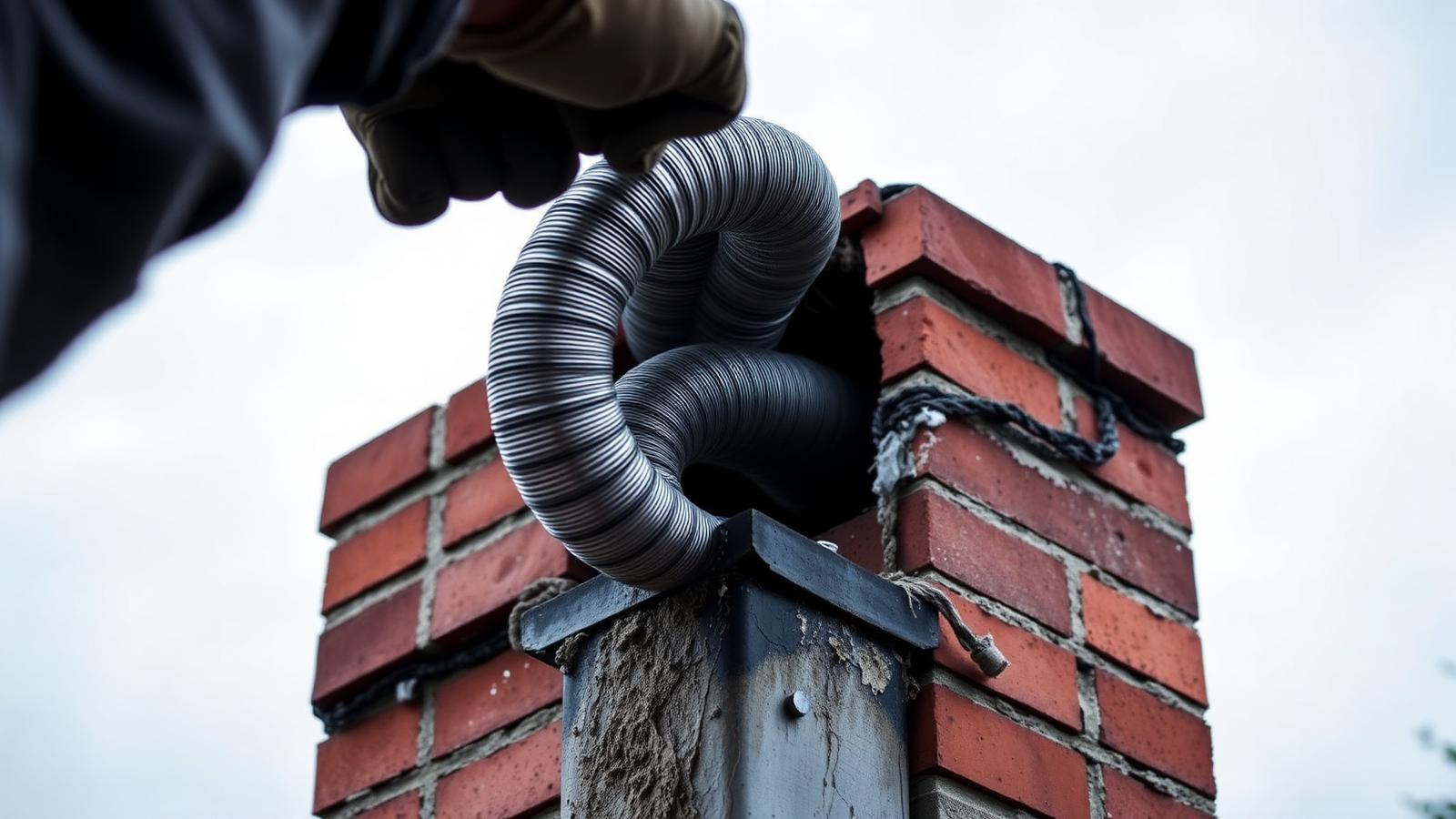
A chimney liner in Toronto typically costs $1,800 to $4,800 installed in 2026. A flexible stainless steel liner for a gas or oil furnace flue runs $1,800-$2,800, a full wood-burning fireplace liner with insulation runs $2,800-$4,200, and a clay tile reline or cast-in-place liner for a damaged masonry chimney runs $4,500-$9,000 depending on height and access.
- Flexible stainless steel liners for gas appliances run $1,800-$2,800 in the GTA; insulated wood-burning liners run $2,800-$4,200.
- Cast-in-place and full clay tile relines cost $4,500-$9,000 because they require demolition access or a poured lightweight refractory mix.
- Most Toronto homes built before 1960 have an unlined or clay-lined chimney that is undersized or cracked once the furnace is upgraded to a mid-efficiency or high-efficiency model.
- Converting a wood fireplace to gas almost always requires a smaller, properly sized liner - venting a gas log set into an oversized open flue causes condensation and soot staining within one season.
- TSSA and CSA B149.1 govern gas appliance venting in Ontario; a liner sized wrong for the appliance is a code violation, not just an inefficiency.
- Typical GTA installed cost
- $1,800 - $4,800
- Cast-in-place or full reline
- $4,500 - $9,000
- Timeline
- 3-6 hours (flexible liner); 1-2 days (cast-in-place)
- Permit needed
- Usually not for like-for-like; yes for chimney rebuilds
- DIY vs pro
- Gas-connected work requires a TSSA-licensed technician
- Typical lifespan
- 15-25 years depending on liner type and fuel
- Best season
- Spring through fall, before the winter heating season
Why so many Toronto chimneys need a liner
Toronto has a huge stock of chimneys built between 1900 and 1965, and most of them were built for one thing: a coal or oil furnace with a large, hot, corrosive flue gas stream. Clay tile liners from that era are usually intact enough to look fine from the roof, but decades of freeze-thaw cycles, chimney fires, or a switch to a cooler-burning gas furnace have left them cracked, oversized, or both.
A liner is not an upsell. It is the passage that carries combustion gases - carbon monoxide, moisture, and in wood-burning systems, creosote - safely out of the house. When a liner is cracked, missing sections, or too large for the appliance connected to it, gases can migrate into the wall cavity or condense inside the chimney and eat away at the mortar joints from the inside out. That is the single most common reason a 1950s Leaside or East York chimney needs a full rebuild by year 60 instead of year 100.
The three liner types used in the GTA
Flexible stainless steel
This is the liner installed in the vast majority of GTA relines. A continuous, corrugated stainless steel tube is fed down the chimney from the top, connected to the appliance at the bottom, and capped. It comes in single-wall and insulated versions, and in grades - AL29-4C stainless for gas and oil, or a heavier 316Ti grade for wood-burning appliances that see higher, more corrosive flue temperatures. Flexible liners are fast to install, do not require demolition, and are the standard fix for both furnace flues and wood fireplace flues.
Rigid stainless steel
Rigid sections are used less often in retrofits because a chimney rarely runs perfectly straight, but they are common in new chimney construction or where a chimney has a wide, straight interior that a flexible liner would sag or rattle inside of. Rigid liners cost slightly more per foot but last longer in high-heat wood-burning applications.
Clay tile and cast-in-place
Clay tile relining means removing the old tiles and installing new ones, which almost always requires opening part of the chimney chase - expensive and disruptive, and rarely the right call for a retrofit. Cast-in-place liners pour a lightweight refractory cement mix around an inflatable form inside the existing chimney, creating a smooth, insulated, seamless flue. Cast-in-place is the right choice when the masonry itself is structurally sound but the flue is badly out of round, has multiple offsets, or needs to be resized and insulated in one pass - it is also one of the few methods that can add real structural support to a deteriorating chimney.
| Liner type | Best for | Typical GTA installed cost |
|---|---|---|
| Flexible stainless, single-wall | Gas furnace or gas water heater flue | $1,800 - $2,500 |
| Flexible stainless, insulated | Wood fireplace or wood stove flue | $2,800 - $4,200 |
| Rigid stainless sections | New construction, straight masonry chimneys | $3,200 - $5,000 |
| Cast-in-place | Deteriorated or out-of-round masonry flue | $5,500 - $9,000 |
| Full clay tile reline | Heritage restoration, code-mandated full rebuild | $6,000 - $10,000+ |
Sizing: the part most quotes get wrong
A liner has to be sized to the appliance connected to it, not to the size of the existing masonry flue. This trips up a huge number of Toronto homeowners who upgrade an old 80% efficiency furnace to a mid-efficiency 80% unit, or add a gas fireplace insert into a chimney that used to vent a full masonry wood fireplace. An oversized flue cools flue gas too much before it exits, moisture condenses on the walls, and you get the sour, sooty smell that brings most liner calls to us in the first place.
CSA B149.1, the natural gas and propane installation code used across Ontario, sets out sizing tables based on appliance input (measured in BTU/h), vent height, and the number of elbows. A licensed gas technician calculates this before recommending a liner diameter - it is a calculation, not a guess, and it is the reason a fair quote includes the appliance's rated input in writing.
Relining a 1950s Toronto masonry chimney: what the job looks like
A typical call: a semi-detached home in East York or Scarborough, original clay-lined masonry chimney, coal-to-oil-to-gas conversion decades ago, furnace replaced two or three times since. The technician first runs a camera down the flue to check the tile joints, look for cracks, spalling, or offsets, and confirm there is no blockage or animal nest. If the tiles are intact and the flue is the right size, a liner may not even be strictly required for a gas appliance - but if the tiles are cracked, missing mortar, or the flue was ever used for wood burning and shows creosote glazing, relining is the fix.
- Camera inspection of the full flue length from the top and, where possible, the cleanout at the base.
- Measurement of the chimney's interior dimensions and confirmation of the connected appliance's BTU input.
- Selection of liner diameter per CSA B149.1 sizing tables (for gas) or NFPA 211 (for solid fuel).
- Removal of the old chimney cap and any obstructions at the top.
- Feeding the liner from the top, connecting it to the appliance draft hood or connector at the bottom.
- Insulating the liner where required (mandatory for most wood-burning installations, recommended for gas in unlined masonry).
- Installing a new top plate, storm collar and cap sized to the liner.
- Final draft test and, for gas appliances, a combustion analysis to confirm proper venting.
Gas conversions and gas fireplace inserts
Converting a wood-burning fireplace to a gas log set or a gas insert is one of the most common relining jobs across the GTA. The existing masonry flue, built for a large volume of wood smoke, is almost always too big for a gas appliance's much smaller, cooler flue gas volume. A properly sized flexible stainless liner - usually 4 to 6 inches in diameter depending on the appliance - solves the condensation and odour problems that come with venting a gas insert into an oversized open flue.
This is also where direct-vent gas fireplaces differ: many direct-vent units bring in outside combustion air and exhaust through a small dedicated pipe that may not even use the existing masonry chimney at all, run instead through the wall or up a smaller dedicated chase. Confirm with your installer which venting method your specific unit requires before assuming a chimney liner is even the right scope of work.
How chimney height and access affect the bill
| Chimney height / access | Typical add-on cost |
|---|---|
| Single-storey bungalow, ground-level roof access | Baseline pricing |
| Two-storey home, standard pitched roof | +$200 - $400 |
| Steep roof pitch (8/12 or greater) requiring roof anchors | +$300 - $600 |
| Three-storey or chimney over 30 feet tall | +$400 - $800 |
| Chimney requiring scaffolding or a lift | +$800 - $2,000+ |
Permits, TSSA and who is allowed to do this work
Gas-connected liner work in Ontario must be performed or supervised by a licensed gas technician (G2 or higher) registered with TSSA, the Technical Standards and Safety Authority. This applies whether the liner serves a furnace, a water heater, or a gas fireplace insert. Solid fuel liner installations fall under WETT (Wood Energy Technical Training) certification guidelines and NFPA 211 for construction and clearances.
A building permit from the City of Toronto or your local municipality is not typically required for a like-for-like liner replacement, but is required if the chimney itself is being rebuilt, resized structurally, or if the work is tied to a larger renovation. Always ask your contractor whether your specific job needs a permit before work starts - not after.
Red flags in a chimney liner quote
- No mention of the appliance's BTU input or the sizing calculation used to select the liner diameter.
- A single flat price with no distinction between single-wall and insulated liner, when your appliance type calls for insulation.
- Pressure to sign same-day after a free inspection that found 'urgent' cracks a homeowner cannot verify - ask to see the camera footage.
- No written liner material grade (AL29-4C vs 316Ti) despite a large price difference between the two.
- A quote for a full rebuild with no cast-in-place or reline alternative offered, when the masonry itself tested sound.
- No post-installation draft test or combustion analysis included for gas-connected liners.
How long a liner lasts
A properly installed stainless steel liner for a gas appliance typically lasts 15 to 20 years, and for a wood-burning appliance 15 to 25 years with annual sweeping and inspection. Clay tile, when undamaged and matched to the right appliance, can last the life of the chimney - which is exactly why so many original 1950s tiles are still doing their job today, provided nobody has connected an oversized modern appliance to them.
Getting an accurate number for your chimney
The two things that change a liner quote the most are the appliance connected to it and the chimney's height and condition, so any accurate number starts with a camera inspection, not a phone estimate. A WETT-trained or TSSA-licensed technician should be able to tell you the liner type, diameter and installed price on the same visit as the inspection.
Straight answers
Short, sourced answers to the questions GTA homeowners ask most about this topic.
How much does a chimney liner cost in Toronto?
A chimney liner in Toronto costs $1,800 to $4,800 installed for most homes in 2026. A flexible stainless steel liner for a gas furnace or water heater runs $1,800-$2,800, an insulated liner for a wood-burning fireplace runs $2,800-$4,200, and cast-in-place or clay tile relines for damaged masonry chimneys run $4,500-$9,000 depending on height and access.
What is the cheapest type of chimney liner?
A single-wall flexible stainless steel liner is the cheapest option, typically $1,800-$2,500 installed in the GTA, and is used for gas furnace and gas water heater flues where insulation is not required by code. Insulated liners for wood-burning appliances cost more because they include a wrap layer that protects nearby combustibles and reduces creosote buildup.
Do I need a chimney liner for a gas fireplace conversion?
Most gas fireplace conversions in Toronto need a properly sized chimney liner because the original masonry flue, built for a wood-burning fireplace, is too large for a gas appliance's smaller flue gas volume. Without resizing, condensation and soot staining typically appear within one heating season. A 4 to 6 inch stainless liner sized to the appliance's BTU input is the standard fix.
How long does a chimney liner installation take?
A standard flexible stainless steel liner installation takes 3 to 6 hours for a single-storey to two-storey home in the GTA. Cast-in-place liners and full clay tile relines take one to two full days because they involve additional prep, curing time, or partial demolition of the chimney chase.
Is a chimney liner required by code in Ontario?
Ontario's building and gas codes require that any chimney serving a fuel-burning appliance safely contain and vent combustion gases; a cracked, missing, or incorrectly sized liner does not meet that requirement. CSA B149.1 governs gas appliance venting sizing, and NFPA 211 and WETT guidelines govern solid fuel liner installations across Ontario.
What is a cast-in-place chimney liner?
A cast-in-place chimney liner is a lightweight refractory cement mixture poured around an inflatable form inside an existing masonry chimney, creating a smooth, seamless, insulated flue once cured. It is used when the masonry is structurally sound but the flue is out of round, has multiple offsets, or needs resizing, and typically costs $5,500-$9,000 in the GTA.
Can I use my chimney without a liner?
Using a chimney without a liner, or with a badly deteriorated one, allows heat, moisture and combustion byproducts including carbon monoxide to reach the masonry and surrounding structure directly, which accelerates deterioration and creates a fire and safety hazard. A licensed technician should not connect a new appliance to an unlined or damaged flue.
Why do older Toronto chimneys need relining?
Older Toronto chimneys, many built between 1900 and 1965 for coal or oil heat, often have clay tile liners that have cracked from decades of freeze-thaw cycles or chimney fires, or flues that are now oversized for the smaller, cooler-burning gas furnaces that replaced the original equipment. Both conditions call for relining to restore safe, efficient venting.
60-minute callback. No obligation. GTA-wide.
Frequently asked questions
Does a chimney liner improve heating efficiency?
Yes. A properly sized liner reduces heat loss up the flue and prevents the cooling and condensation that occurs in an oversized, unlined flue, which can improve appliance efficiency and reduce corrosion inside the chimney.
Can a chimney liner be repaired instead of replaced?
Minor tile cracks are sometimes sealed with refractory mortar, but once tiles are missing sections or badly offset, a full liner replacement or cast-in-place solution is the only lasting fix.
How do I know if my chimney already has a liner?
A camera inspection from the top or the cleanout will show whether clay tiles, a metal liner, or bare masonry is present. Most homes built before 1960 in Toronto have clay tile liners as original construction.
What is the difference between AL29-4C and 316Ti stainless liners?
AL29-4C is a higher-corrosion-resistance grade commonly used for gas and oil appliance liners. 316Ti is a more affordable grade generally sufficient for wood-burning applications where corrosive condensate is less of a concern.
Will insurance cover chimney liner replacement?
Standard home insurance rarely covers routine liner replacement, since it is considered maintenance. Damage from a documented chimney fire or sudden structural failure is sometimes covered - check your specific policy.
Do all wood stoves need an insulated liner?
Most wood stove installations into an existing masonry chimney require an insulated liner to meet manufacturer clearance requirements and WETT installation standards, particularly on exterior chimneys exposed to cold.
How often should a lined chimney be inspected?
Annually, per NFPA 211 guidance, regardless of liner type. Wood-burning systems should also be swept at least once a year based on usage.
Can I install a chimney liner myself?
Gas-connected liner work must be performed by a TSSA-licensed gas technician in Ontario. Solid fuel liner work is technically DIY-legal but the sizing, insulation and clearance requirements make professional installation strongly recommended.
Written by The Diamond Home Services Team — Chimney relining and WETT-trained technicians - Toronto & the GTA. Last fact-checked .
- CSA B149.1 — Natural Gas and Propane Installation Code, used for gas venting and liner sizing across Ontario
- NFPA 211 — Standard for chimneys, fireplaces, vents and solid fuel-burning appliances
- TSSA — Technical Standards and Safety Authority, regulates licensed gas technicians in Ontario
- WETT — Wood Energy Technical Training, certification body for solid fuel appliance and chimney installations
- Ontario Building Code — Provincial construction requirements referenced for chimney and venting alterations
Book this service in your area
Keep reading
- ChimneyChimney Repointing and Brick Repair: When It Is Urgent (GTA)
Crumbling mortar, flaking brick faces and a cracked crown are not always emergencies, but sometimes they are. Here is how a GTA mason tells the difference and what each repair level costs.
- Wood StoveWood Stove and WETT Inspection Rules in Ontario, Explained
WETT certification is not a licence and a WETT inspection is not one fixed thing. Here is what Ontario homeowners and buyers actually need to know before their insurer asks.
- Homeowner GuideDo I Need a Permit? GTA Rules for Chimney, Roof and Venting Work
A clear answer to whether your roof, chimney or venting project needs a municipal permit or a TSSA-registered contractor, with real fee ranges and the resale risk of skipping the paperwork.