
Gas Fireplace Not Turning On? 12 Causes and Fixes (GTA Guide)
The 12 most common reasons a gas fireplace will not turn on in a GTA home, a safe checklist to run through before calling anyone, and the point where it stops being a DIY fix.
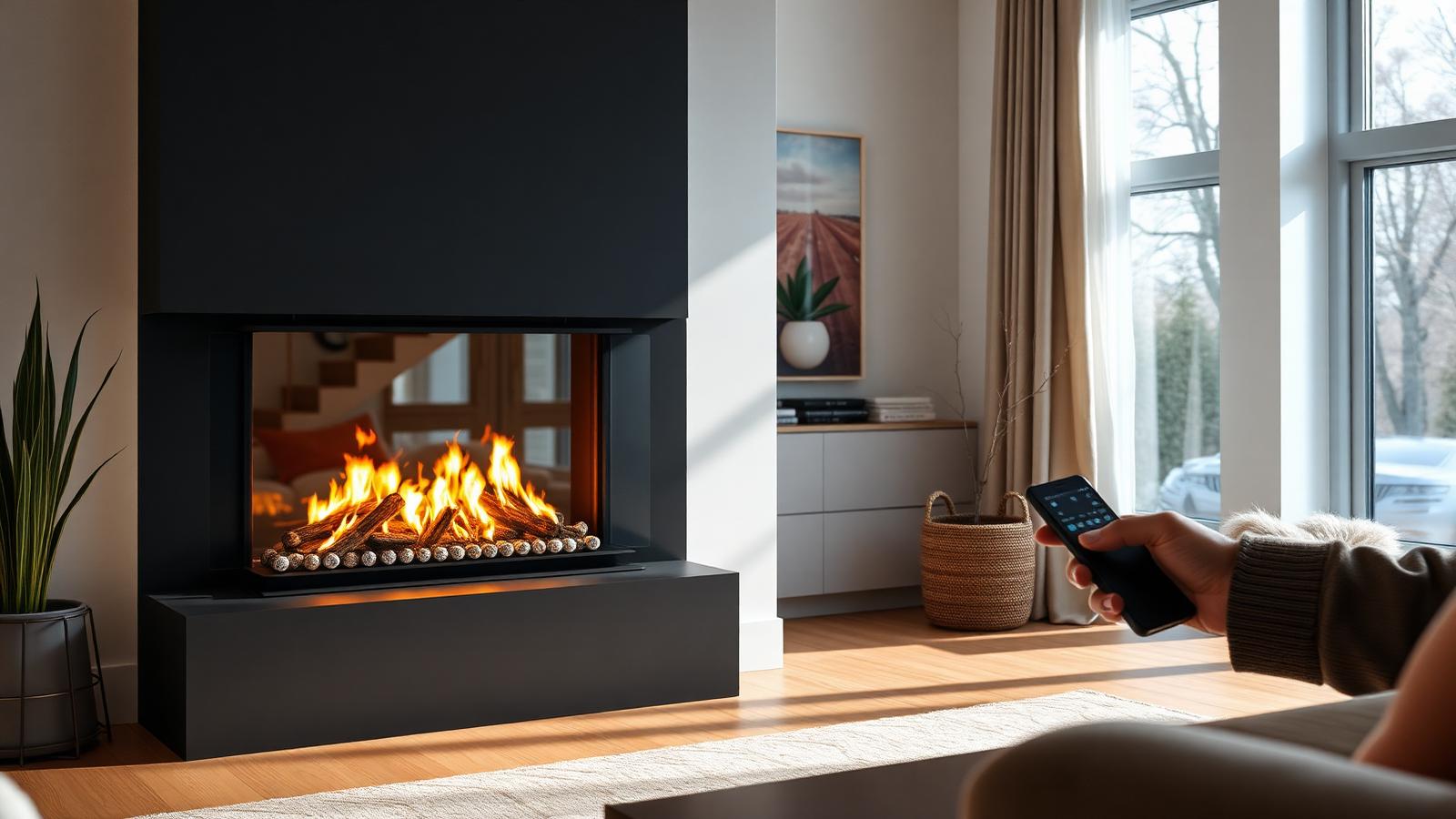
A gas fireplace that will not turn on is most often caused by a dead pilot light or weak thermocouple, dead remote or wall switch batteries, a tripped safety shutoff (ODS or high-limit switch), or the gas valve's pilot knob not fully in the 'on' position. Most of these can be safely checked by a homeowner in under 15 minutes; a persistent pilot outage or any gas odour requires a licensed gas technician.
- About 60-70% of no-start gas fireplace calls in the GTA trace back to a pilot, thermocouple, thermopile, or dead battery issue rather than a major component failure.
- Millivolt systems run on a self-generated electrical signal from the pilot flame; IPI (intermittent pilot ignition) systems use a spark igniter and a small circuit board - the fix differs depending on which one you have.
- A thermocouple typically costs $15-$40 in parts and is a common wear item after 8-10 years of use; a thermopile or control module runs $150-$400 installed.
- A tripped ODS (oxygen depletion sensor) or high-limit switch is a safety feature working correctly, not a fault to bypass - repeated trips mean the unit needs a technician, not a reset.
- If you ever smell gas near the fireplace, do not attempt to light it - shut off the gas at the valve, ventilate the room, leave, and call your gas utility's emergency line before calling a technician.
- Most common cause
- Weak thermocouple or dead batteries
- Typical repair cost
- $120 - $450 depending on part
- Diagnostic visit cost
- $99 - $159
- Timeline
- 30 - 90 minutes for most repairs
- Permit needed
- No, for like-for-like repairs
- DIY vs pro
- Batteries and visual checks are DIY-safe; valve and board work needs a licensed technician
- Best season for annual service
- Early fall, before the heating season
Why gas fireplaces stop turning on
A gas fireplace is a simple system with a handful of points of failure: a pilot or igniter that starts the flame, a sensor that proves the flame is lit, a valve that controls gas flow, and a switch or remote that tells it to start. When any one of those links breaks, the whole system refuses to light rather than lighting unsafely - which is exactly how it is designed to work. This guide walks through the 12 most common reasons GTA homeowners call us for a fireplace that will not turn on, roughly in the order we actually find them.
Millivolt vs IPI: know which system you have
Most GTA gas fireplaces built before roughly 2010 use a millivolt system: a standing pilot light burns continuously (or is lit manually each season) and generates a tiny electrical current through a thermopile, which powers the gas valve's magnet and the wall switch circuit. No household electricity is involved.
Newer units use IPI, intermittent pilot ignition: a control module sends a spark to light the pilot only when you press the remote or switch, confirms the flame with a sensor, then opens the main valve. IPI systems need a functioning circuit board and batteries (or a plug-in transformer) to work at all - a dead battery pack is the single most common IPI no-start we see in the GTA.
| Symptom | Likely cause | System type most affected |
|---|---|---|
| Pilot won't stay lit | Weak thermocouple or thermopile | Millivolt |
| No spark at all when pressing remote | Dead batteries or loose battery contacts | IPI |
| Pilot lights, main burner never comes on | Faulty gas valve or wall switch wiring | Both |
| Remote unresponsive but wall switch works | Remote batteries or lost pairing | IPI |
| Unit shuts off a few minutes after lighting | Tripped ODS or high-limit switch | Millivolt (mostly) |
| Nothing happens, no click, no gas smell | Gas supply valve closed or gas shut off to home | Both |
The safe homeowner checklist
Run through these steps in order before assuming the worst. Each one takes a couple of minutes and none of them require opening the gas valve assembly or touching wiring.
- Check the wall switch and remote batteries first - replace with fresh batteries even if the old ones test as 'okay', since low voltage under load is a common false-positive.
- Confirm the main gas shutoff valve behind or beside the fireplace is turned fully parallel to the gas line (open), not perpendicular (closed).
- Look through the glass or access panel for the pilot flame - if it is out, follow the lighting instructions on the plate inside the unit (usually pilot knob to 'pilot', press and hold, ignite, hold 30-60 seconds).
- If the pilot lights but will not stay lit after you release the knob, this points to a weak thermocouple or thermopile - stop here and book a technician rather than repeatedly re-lighting it.
- Reset the wall switch and remote by turning the system off, waiting 60 seconds, and trying again - this clears a false ODS or high-limit trip in some models.
- Check that nothing is blocking the exterior vent termination (snow, leaves, a bird nest) if the unit is direct-vent - blocked venting is a common winter cause across the GTA.
- Confirm no other gas appliance issue exists in the home (furnace, water heater, stove) - if none of them work, the problem is upstream at the meter or supply line, not the fireplace.
- If none of the above resolves it, stop resetting the system repeatedly and book a licensed gas technician - repeated resets on a real fault can mask a developing safety issue.
The 12 causes, explained
1. Dead pilot light
Drafts, a dirty pilot orifice, or simply age can cause a standing pilot to go out. Relighting it per the manufacturer's plate usually resolves a one-off outage. If it goes out repeatedly within days, move to cause 2.
2. Weak or failed thermocouple
The thermocouple is a small sensor that sits in the pilot flame and generates a tiny voltage that holds the gas valve's safety magnet open. When it weakens with age, the valve senses 'no flame' even when the pilot is lit, and shuts the gas off within seconds of you releasing the knob. This is the single most common millivolt-system fault we replace, and parts cost $15-$40 with an installed price typically $120-$220 including the service call.
3. Failed thermopile
Similar to a thermocouple but generates enough voltage to also power the wall switch and remote circuit, not just hold the valve open. A failed thermopile often shows as: pilot lights and stays lit, but the main burner never ignites when you turn the wall switch on. Replacement runs $150-$300 installed.
4. Dead remote or wall switch batteries
IPI systems rely on a battery pack (often 2 AA cells) to power the control module and receiver. Weak batteries commonly cause intermittent operation - the unit lights some days and not others - before failing completely. Always replace with fresh batteries as a first step, not last.
5. Corroded battery contacts
Even fresh batteries fail to power the system if the contact springs inside the battery holder have corroded, common in units near a humid basement or a bathroom-adjacent chimney chase. A quick clean with a pencil eraser or fine sandpaper on the contacts often restores function.
6. Gas supply valve not fully open
The shutoff valve on the gas line feeding the fireplace, often behind an access panel, must be turned fully in line with the pipe to be open. A valve left even slightly off-axis after a chimney sweep, carpet installation, or renovation can starve the pilot of gas.
7. Tripped ODS (oxygen depletion sensor)
Vent-free gas fireplaces include an ODS that shuts the gas off if oxygen levels in the room drop too low, a real safety feature rather than a nuisance fault. Repeated ODS trips mean the room is under-ventilated or the burner is not combusting cleanly, and it should be diagnosed by a technician rather than reset repeatedly.
8. Tripped high-limit switch
This switch shuts the unit down if internal temperatures climb too high, often because a blower has failed, a vent is restricted, or the unit was run for an unusually long continuous period. It typically resets automatically once the unit cools, but repeated trips point to an airflow or venting problem underneath.
9. Blocked or damaged venting
Direct-vent units terminate through an exterior wall or roof cap, and in the GTA that termination is a magnet for snow drifts, ice buildup, and bird or squirrel nests in the fall. Some units have a pressure switch that will not allow the burner to start at all if venting is restricted, which shows up as a fireplace that clicks or attempts to light but never sustains a flame.
10. Faulty gas valve
Gas valves themselves fail less often than the sensors around them, but a stuck or electrically failed valve will prevent gas flow even when every other component tests fine. This is a technician-level diagnosis and repair, and valve replacement typically runs $250-$450 installed depending on the model.
11. Control board or IPI module failure
On IPI systems, a failed control board means no spark at all, or a spark that never confirms flame sense and shuts down after a few seconds. This is one of the pricier fixes, typically $300-$550 installed, but it is far less common than a simple battery or sensor issue.
12. Wiring or wall switch fault
Low-voltage wiring between the wall switch and the fireplace can be pinched, chewed by rodents in an unfinished basement run, or simply loose at a connector. A technician can test continuity in a few minutes; this is one of the less common causes but is worth ruling out if everything else at the unit tests fine.
Typical GTA repair costs by cause
| Repair | Typical GTA cost (parts + labour) | Time |
|---|---|---|
| Thermocouple replacement | $120 - $220 | 30 - 45 min |
| Thermopile replacement | $150 - $300 | 45 - 60 min |
| Battery pack / contact service | $0 - $60 | 10 - 20 min |
| Pilot assembly cleaning or replacement | $140 - $260 | 45 - 60 min |
| Gas valve replacement | $250 - $450 | 60 - 90 min |
| Control board / IPI module replacement | $300 - $550 | 60 - 90 min |
| Vent termination clearing / repair | $150 - $400 | 45 - 90 min |
| Full diagnostic visit (no repair needed) | $99 - $159 | 30 - 45 min |
When to stop troubleshooting and call a licensed gas technician
- Any smell of gas, at any point in the process - stop immediately and follow the gas leak safety steps above.
- The pilot lights but will not stay lit after two attempts following the manufacturer's instructions.
- The ODS or high-limit switch trips more than once in a short period.
- Soot marks appear above the fireplace opening or on the glass, which can indicate incomplete combustion.
- The unit is more than 15 years old and has never had a professional service or safety inspection.
- You are not fully confident reading the lighting instructions plate or locating the gas shutoff valve.
Gas fireplace repair in Ontario involving the gas valve, control module, or venting must be performed by a licensed gas technician (G2 or higher), consistent with CSA B149.1 and TSSA regulation. A technician working on your unit should be able to show you their TSSA registration number without hesitation.
Preventing the next no-start call
An annual gas fireplace service before the heating season, typically $150-$220 in the GTA, includes cleaning the pilot and burner, testing the thermocouple or thermopile output, checking the venting for blockage, and replacing remote batteries as a matter of course. Most of the 12 causes above are caught and corrected during that visit before they turn into a no-start call on the first cold night of the year.
Straight answers
Short, sourced answers to the questions GTA homeowners ask most about this topic.
What are the most common reasons a gas fireplace won't turn on?
The most common reasons a gas fireplace will not turn on are a weak or failed thermocouple, dead remote or wall switch batteries, a closed gas supply valve, a tripped safety switch (ODS or high-limit), or blocked exterior venting. Together these account for the large majority of no-start service calls in GTA homes.
What is the difference between a millivolt and IPI gas fireplace system?
A millivolt gas fireplace system uses a continuously burning standing pilot that generates its own small electrical current to power the gas valve and switch. An IPI (intermittent pilot ignition) system uses a spark igniter and control board that lights the pilot only when activated, and requires batteries or a transformer to operate at all.
What does it mean if a gas fireplace pilot lights but won't stay lit?
A pilot that lights but goes out once the control knob is released almost always indicates a weak or failed thermocouple, the sensor that proves flame is present and holds the gas valve open. Thermocouple replacement is a common, low-cost repair typically costing $120-$220 installed in the GTA.
Why would a gas fireplace remote stop working suddenly?
A gas fireplace remote that stops working suddenly is most often caused by dead or corroded batteries in either the remote or the receiver at the fireplace. Replacing both sets of batteries resolves the issue in most cases; persistent failure after fresh batteries points to a control board fault.
Is it safe to keep relighting a gas fireplace pilot that goes out?
Relighting a gas fireplace pilot once or twice following the manufacturer's instructions is safe, but repeatedly relighting a pilot that will not stay on is not a fix and can mask a failing thermocouple or valve issue. A licensed gas technician should diagnose a pilot that fails more than twice.
Can blocked venting stop a gas fireplace from lighting?
Yes. Many direct-vent gas fireplaces include a pressure switch that prevents ignition if the exterior vent is blocked by snow, ice, or debris, a common winter issue in the GTA. Clearing the exterior vent termination often restores normal operation.
What does a tripped ODS switch mean on a gas fireplace?
A tripped ODS, or oxygen depletion sensor, means the unit detected reduced oxygen levels in the room and shut the gas off as a safety measure, most relevant on vent-free gas fireplace models. Repeated trips indicate a ventilation or combustion problem that a technician should diagnose rather than a fault to reset around.
When should I call a professional instead of troubleshooting a gas fireplace myself?
Call a licensed gas technician if you smell gas at any point, if the pilot will not stay lit after two attempts, if a safety switch trips repeatedly, or if the unit has gone more than a year without a professional service. Gas valve, control board, and venting repairs in Ontario must be performed by a technician licensed through TSSA.
60-minute callback. No obligation. GTA-wide.
Frequently asked questions
Why does my gas fireplace pilot light keep going out?
A pilot that repeatedly goes out after being relit is almost always a weak thermocouple, a dirty pilot orifice, or a draft reaching the pilot assembly. Repeated relighting without fixing the underlying cause is not a long-term solution.
Can I replace a thermocouple myself?
It is a low-voltage part with no household electricity involved, but it threads into the gas valve assembly, so most GTA homeowners have a licensed technician handle it to ensure a proper gas-tight seal and correct sizing.
Why does my gas fireplace remote work sometimes but not always?
Intermittent operation is a classic sign of weakening batteries or corroded battery contacts rather than a major component failure, and it is worth ruling out before assuming the control board has failed.
Is it normal for a gas fireplace to click but not light?
A clicking sound with no ignition usually means the igniter is sparking but the gas is not reaching the pilot, which points to a closed supply valve, an air lock after a tank refill, or a blocked pilot orifice.
How often should a gas fireplace be serviced?
Once a year, ideally in early fall before the heating season starts, covering pilot and burner cleaning, sensor testing, and a venting check.
Does a power outage affect a gas fireplace?
Millivolt systems are unaffected since they generate their own power from the pilot flame. IPI systems with a plug-in transformer will not ignite during an outage unless they also have battery backup.
Why did my gas fireplace suddenly shut off while running?
A mid-operation shutdown usually points to a tripped high-limit switch from restricted airflow or venting, or an ODS trip on a vent-free unit sensing reduced room oxygen.
Can cold weather affect a gas fireplace's operation?
Yes. Cold, dense outdoor air can affect draft in some installations, and snow or ice buildup at a direct-vent termination is a common winter cause of ignition failure across the GTA.
Should I try to bypass a safety switch that keeps tripping?
No. A repeatedly tripping ODS or high-limit switch is identifying a real condition, such as poor ventilation or restricted airflow, and bypassing it removes a safety feature rather than fixing the cause.
How much does a gas fireplace diagnostic visit cost in the GTA?
Most companies charge $99-$159 for a diagnostic visit, often applied toward the repair cost if you proceed with the recommended fix.
Written by The Diamond Home Services Team — Licensed gas fireplace technicians - Toronto & the GTA. Last fact-checked .
- CSA B149.1 — Natural Gas and Propane Installation Code governing gas fireplace installation and repair in Ontario
- TSSA — Technical Standards and Safety Authority, licenses gas technicians in Ontario
- NFPA 54 — National Fuel Gas Code, referenced for venting and appliance safety device standards
- Enbridge Gas — Regional gas utility providing emergency gas leak reporting for the GTA
Book this service in your area
Keep reading
- Cost GuideHow Much Does a Chimney Liner Cost in Toronto? (2026 Pricing)
What a chimney liner actually costs in Toronto in 2026, why a 1950s masonry chimney almost always needs one, and how to tell a fair relining quote from a lowball or a scare tactic.
- SeasonalWinter Home Safety: The 20-Point GTA Pre-Season Checklist
Twenty specific checks, in the right order, between September and November, so your chimney, furnace, water heater and roof are ready before the first cold snap hits the GTA.
- Homeowner GuideDo I Need a Permit? GTA Rules for Chimney, Roof and Venting Work
A clear answer to whether your roof, chimney or venting project needs a municipal permit or a TSSA-registered contractor, with real fee ranges and the resale risk of skipping the paperwork.