
The Complete GTA Chimney Inspection Guide: Levels, Costs, Timing & What Really Matters (2026)
Everything a Toronto or GTA homeowner needs to know before booking a chimney inspection — what each CSIA level actually covers, real 2026 pricing, when to book, and how to read the report.
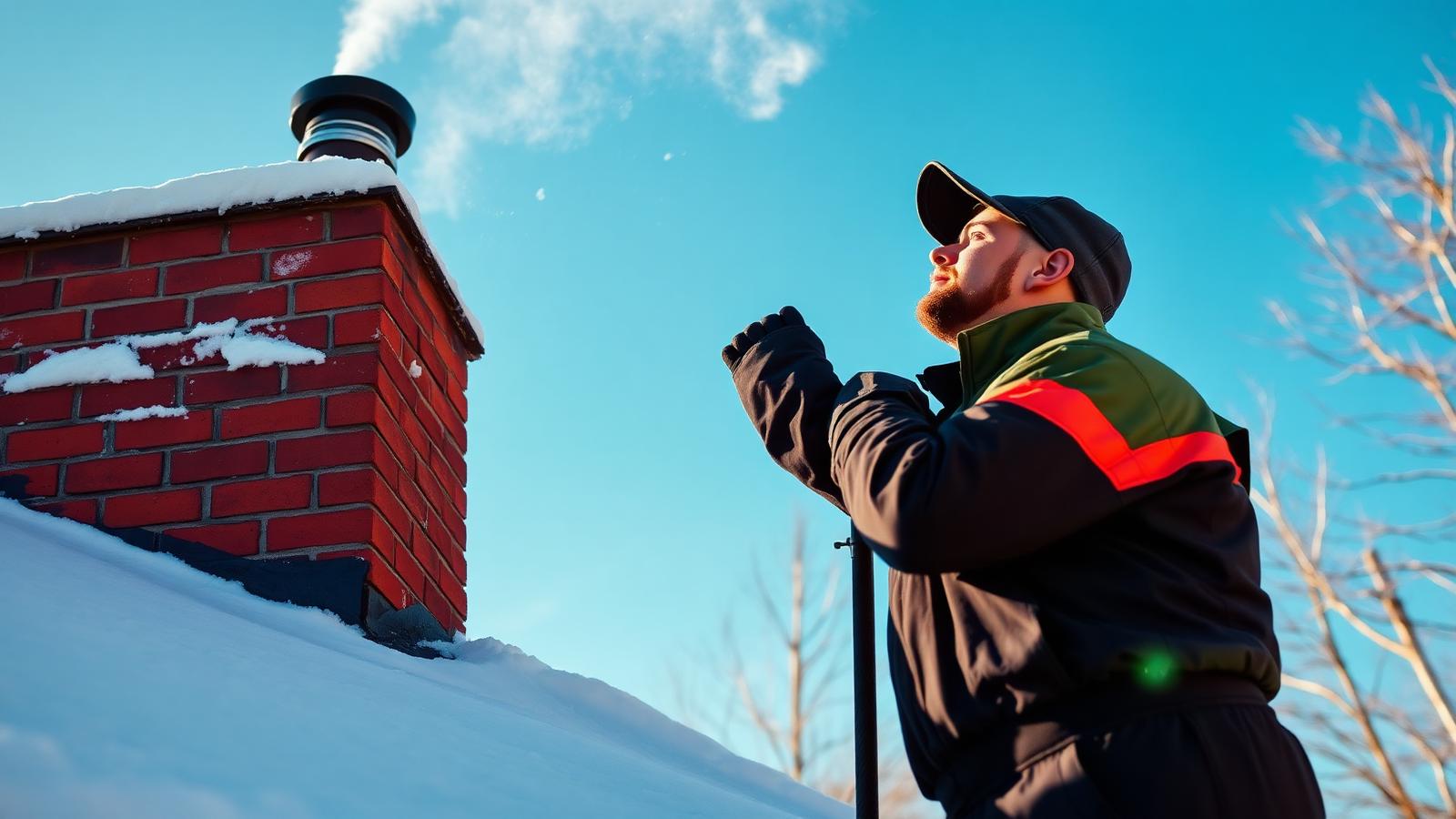
In Toronto and the GTA, a standard Level 1 chimney inspection runs $149–$249 and takes 45–75 minutes. Book one every year before you use the fireplace, before buying a home, or after any chimney fire, roof leak, animal intrusion, or major weather event. A good inspector documents the flue, liner, damper, cap, crown, mortar, and clearances with photos and gives you a signed report.
- Annual inspection is the industry standard — NFPA 211 and the CSIA both recommend it once per year, regardless of usage.
- Level 1 is enough for most homes with no changes; Level 2 is required for real-estate transactions, appliance changes, or after any event that could damage the flue.
- GTA 2026 pricing: Level 1 $149–$249, Level 2 $325–$495, Level 3 $750+ with masonry removal.
- The most common serious findings in GTA homes are cracked clay tile liners, deteriorated mortar joints (crown & top courses), missing rain caps, and creosote glaze in wood-burning flues.
- A signed inspection report — with photos, dated, and referencing NFPA 211 or CSIA methodology — is the only thing that protects your home insurance claim.
Why a GTA chimney needs an annual inspection
Every winter, Toronto Fire Services and the Ontario Fire Marshal record a small but persistent number of chimney-related fires — most of them in homes where the flue had not been inspected in more than 24 months. The Canadian climate is unusually hard on masonry chimneys: freeze-thaw cycles push moisture into hairline cracks, expand it, and pry mortar joints apart. A structure that looked flawless in October can fail an inspection in April. Annual inspections exist to catch that damage while it is still a $200 repair, not a $6,000 rebuild.
The National Fire Protection Association standard 211 (NFPA 211) — the code most Ontario insurers reference — states that chimneys, fireplaces, and vents shall be inspected at least once a year. The Chimney Safety Institute of America (CSIA) mirrors that language. Neither organization considers usage relevant: an unused chimney can still house a bird nest, a cracked liner from settling, or a failed cap that has been dumping water into the flue for months.
Insurance carriers in Ontario are increasingly asking for proof. If a chimney fire or CO event occurs, the first document the adjuster requests is the most recent dated inspection report. Homeowners who cannot produce one often see their claim reduced or denied outright.
CSIA inspection levels 1, 2, and 3 — what each one actually covers
There is no single "chimney inspection." The CSIA defines three tiers, each with a specific scope. A reputable GTA company will tell you up front which level you need and why. If someone quotes a price without asking about the flue type, appliance, or reason for the visit, that is a signal to keep shopping.
Level 1 — the annual maintenance inspection
A Level 1 inspection is intended for a chimney that is in continued service under the same conditions and burning the same fuel. The inspector visually examines the readily accessible portions of the chimney exterior, interior, and the connected appliance. No specialty tools are used inside the flue beyond a flashlight and mirror. In the GTA a Level 1 inspection typically takes 45 to 75 minutes and covers the firebox, damper, smoke chamber, visible flue interior, cap, crown, and exterior masonry from the ground.
Level 2 — the transaction / change inspection
A Level 2 inspection is required — by NFPA 211, not by suggestion — whenever any of the following happens: the property changes hands, the fuel type changes, the flue liner is replaced or relined, a new appliance is connected, or an event has occurred that could have damaged the chimney (a chimney fire, an earthquake, a lightning strike, a serious roof leak, or extended flooding). Level 2 includes everything in Level 1 plus a video-scan of the full flue interior, inspection of accessible attic and crawlspace runs, and verification of clearances to combustibles. A GTA Level 2 typically takes 90 minutes to two hours.
Level 3 — the investigative inspection
A Level 3 inspection is invoked when a Level 1 or Level 2 has uncovered — or strongly suggests — a hidden hazard that cannot be evaluated any other way. It authorizes the removal of components such as chimney crown material, walls, or interior chase covers to expose concealed areas. Because it involves demolition, homeowners should never authorize a Level 3 without first receiving a written scope of work and a repair estimate.
2026 chimney inspection pricing in the GTA
Pricing in the Greater Toronto Area has climbed steadily over the past three years. Fuel, insurance, and technician certification costs are all higher than they were in 2022. Below are the ranges we consistently see across Toronto, Vaughan, Mississauga, Markham, Richmond Hill, Oakville, and Brampton in 2026. Same-day and after-hours visits typically add 20–35 percent.
| Inspection type | GTA price range (2026) | Typical duration | Includes camera scan |
|---|---|---|---|
| Level 1 — annual | $149 – $249 | 45–75 min | No |
| Level 2 — transaction / change | $325 – $495 | 90–120 min | Yes |
| Level 2 — with WETT certificate | $395 – $595 | 2 hours | Yes |
| Level 3 — investigative | $750+ plus repair | Half day+ | Yes |
| Rush / same-day surcharge | +20 – 35% | — | — |
Homeowners occasionally see quotes as low as $79 for a "chimney inspection" advertised on classifieds sites. These are almost always a visual sweep from the ground and a look inside the firebox — nothing more. That is not an inspection; it is a lead-generation visit designed to sell services. A legitimate Level 1 in the GTA cannot be delivered profitably below roughly $149.
When to book — and when to reschedule
The single best window to book a GTA chimney inspection is August through mid-October. Roofs are dry, days are long, and technicians have not yet entered the November-through-February surge when every homeowner remembers the fireplace at once. Booking in the off-season also gives you time to complete any recommended repairs before the heating season starts.
- Book annually, ideally in early fall, before the first fire of the season.
- Book immediately after any chimney fire — even a small one — before the appliance is used again.
- Book before closing on a home purchase, and require a Level 2 with camera scan as a condition of sale.
- Book after a roof replacement, flashing repair, or any masonry work near the chimney.
- Book after severe weather: high winds, a hail event, a lightning strike anywhere on the property, or extended winter flooding.
- Reschedule if the roof is wet, snow-covered, or icy — inspection quality drops and technician risk climbs.
What a proper inspection actually looks like on your property
A trained inspector arriving at a GTA home follows a repeatable sequence. If the person at your door skips any of the following, the visit is not delivering what you paid for.
- Walk-around and photograph the chimney exterior from ground level — all four elevations.
- Ladder-set and rooftop access, weather permitting, to inspect the cap, crown, top courses of masonry, flashing, and any spark arrestor.
- Return inside; lay drop cloths from the entry to the firebox; open the damper and inspect the smoke chamber and shelf.
- Inspect the firebox floor, walls, and refractory panels for cracks, spalling, or missing mortar joints.
- Verify the damper opens fully, seats correctly, and has no missing hardware.
- Shine an inspection lamp up the flue to check for obstruction (bird nests are extremely common in the GTA), creosote buildup, and visible liner cracks.
- On a Level 2, feed a CCTV camera up the full length of the flue and record the pass.
- Photograph every finding — good and bad — for the report.
- Verbally review findings with you before leaving.
- Email the signed PDF report within 24–48 hours.
The five most common serious findings in GTA homes
1. Cracked clay tile liners
The overwhelming majority of GTA masonry chimneys built before 1990 are lined with clay flue tile — rectangular ceramic sections stacked and mortared in place. Clay tile is durable, but it is brittle: a single chimney fire will often crack every tile from top to bottom, and even normal freeze-thaw eventually opens hairline fissures. A cracked liner is a Category-1 hazard because combustion gases and heat can now reach the masonry and combustibles behind it. Relining with stainless steel is the standard fix, and it runs $2,800–$6,500 for a typical GTA two-storey.
2. Deteriorated crown and top-course mortar
The chimney crown is the concrete or masonry cap that seals the top of the chimney around the flue tiles. It takes the full force of every rain event, every snow load, and every freeze-thaw cycle. On GTA homes 25+ years old, a failing crown is the single most common finding. Water enters, freezes, and blows the top courses of brick apart. Rebuilding a crown and repointing the top four courses runs $1,200–$2,800.
3. Missing or damaged rain cap / spark arrestor
A stainless rain cap does three things: it keeps rain and snow out of the flue, keeps sparks in, and keeps wildlife out. GTA raccoons, squirrels, and chimney swifts will move into an uncapped flue within days. Replacement is $180–$450 depending on flue size and access.
4. Creosote glaze in wood-burning flues
Third-degree creosote — a black, tar-like glaze — is highly flammable and cannot be removed with a standard brush sweep. It requires chemical treatment (a modifier like ACS or PCR) applied over several burn cycles before mechanical removal is possible. If a sweep tells you the flue looks "a bit shiny" and offers to power-brush it, get a second opinion; that description matches glazed creosote.
5. Missing or improper flashing
Flashing is the metal barrier that seals the chimney-to-roof junction. Improper step-flashing, missing counter-flashing, or caulked-only detailing is a leading cause of interior water damage in Toronto homes. This finding usually shows up on the roofer's side rather than the chimney company's, but a good inspector will still document it.
What you can — and can't — check yourself between visits
What you cannot do yourself: assess the liner, measure clearances to combustibles inside the chase, or evaluate creosote grade. Those require training and, for anything above Level 1, specialized equipment. The DIY walkthrough is a trigger for booking a pro — not a substitute.
WETT certification — when you need it and when you don't
WETT (Wood Energy Technology Transfer) is a Canadian certification program for wood-burning appliances. In Ontario a WETT inspection is not required by the building code, but it is often required by insurance carriers as a condition of coverage on any home with a wood-burning stove, insert, or fireplace. If your insurer is asking for a WETT report, you specifically need an inspector who is a current WETT SITE Basic (or higher) member and can issue a signed WETT-branded report — not just a chimney company that happens to inspect wood appliances.
In our experience, roughly one in five GTA insurance renewals on wood-appliance homes now request a WETT inspection every 3–5 years. Budget $325–$595 and schedule at least six weeks before the renewal date to leave room for any required corrective work.
How to read a chimney inspection report
A signed inspection report is a legal document. Insurers, real-estate lawyers, and courts have all been known to lean on chimney reports; the language matters. When your PDF arrives, look for the following:
- The date of the inspection and the technician's full name and certification numbers (WETT, CSIA, or equivalent).
- The address of the property and the specific chimney(s) inspected.
- The inspection level explicitly stated (Level 1, 2, or 3) with a reference to NFPA 211 or CSIA methodology.
- Photographs of each finding, captioned with location ("east elevation, top course" — not "outside").
- A distinction between "defects" (must be corrected before next use) and "observations" (should be monitored).
- A recommendation section with prioritized next steps.
- The technician's signature.
If the report reads like a generic form letter with no photographs and no property-specific detail, the inspection itself was probably just as generic. Ask for a revised version. A reputable company will supply one at no charge.
Ontario code and insurance implications
Ontario Building Code section 9.21 (chimneys and flues) and section 9.22 (fireplaces) govern residential chimney construction in the province, but neither section mandates ongoing inspection — the province leaves maintenance to industry standards. In practice that means NFPA 211 and CSIA guidance carry the weight, and insurance carriers enforce them through their underwriting requirements. A homeowner who declines an inspection is not violating the law, but they are almost certainly violating a clause in their policy binder.
How to choose a GTA chimney inspector
- Confirm the company carries $2M+ commercial general liability and provides a certificate of insurance on request.
- Verify at least one technician holds a current WETT and/or CSIA certification.
- Ask which inspection level they intend to perform and why.
- Request a sample redacted report before you book.
- Look for photos in Google reviews — chimney work is visual, and companies with genuine repeat business have hundreds of photo reviews.
- Confirm the quote includes the written PDF report, not just the inspection.
- Beware of "free inspections" bundled with sweep or repair quotes; they are lead-generation visits, not inspections.
Seasonal checklist for GTA homeowners
| Season | What to do | Why it matters here |
|---|---|---|
| Late summer (Aug–Sep) | Book annual inspection & sweep | Dry roofs; before the fall booking surge. |
| Fall (Oct–Nov) | Complete any repairs; test damper & CO alarms | Before first fire; still workable weather for masonry. |
| Winter (Dec–Feb) | Monthly firebox check; monitor for icicles at the crown | Ice at the crown signals moisture inside the chase. |
| Spring (Mar–May) | Post-thaw exterior inspection; check for spalling & new cracks | Freeze-thaw damage is only visible after full thaw. |
| Early summer (Jun–Jul) | Repair mortar & crown; install/replace cap | Warm, dry conditions ideal for masonry cure. |
Common questions we hear from GTA homeowners
The FAQ below is answered in more depth further down the page. If your specific situation isn't covered, our team is happy to answer questions by phone — the fastest path is to ring us directly. We'll tell you whether you actually need a paid visit or whether a $0 answer solves it.
60-minute callback. No obligation. GTA-wide.
Frequently asked questions
How often should I have my chimney inspected in Toronto?
Once per year, regardless of how often you use the fireplace. NFPA 211 and the Chimney Safety Institute of America both recommend annual inspections. In the GTA, the ideal window is August through mid-October, before the heating-season booking surge and while roofs are dry.
How much does a chimney inspection cost in the GTA in 2026?
A Level 1 annual inspection runs $149–$249. A Level 2 with a CCTV camera scan (required for real-estate transactions and after any event) is $325–$495. Adding a WETT certificate typically adds $75–$125. Investigative Level 3 work starts at $750 and depends on the scope of masonry removal.
What's the difference between a chimney inspection and a chimney sweep?
An inspection is a diagnostic visit that documents condition. A sweep is the mechanical cleaning of the flue. Many GTA homeowners book both together, but they are separate services with separate line items. A responsible company will not sweep a flue they haven't first inspected.
Do I need a WETT inspection if my chimney only serves a gas fireplace?
No. WETT covers wood-burning appliances only. A gas fireplace is inspected under CSA B149.1 (natural gas code) as part of an annual gas fireplace tune-up, and your insurer will ask for that instead.
Is a chimney inspection required to sell a home in Ontario?
It is not required by law, but any buyer's home inspector will strongly recommend one, and any lender's underwriter will accept a Level 2 report as evidence that the chimney is not a hidden liability. Booking a Level 2 before listing typically speeds closings and reduces buyer credits.
How long does a chimney inspection take?
Level 1: 45–75 minutes. Level 2 with camera scan: 90 minutes to two hours. Level 3 is scoped per project and typically takes half a day or more.
Can I inspect my own chimney?
You can do a monthly visual walk-around — check for daylight up the flue, standing water in the firebox, and any leaning or missing bricks. You cannot evaluate the liner, clearances to combustibles, or creosote grade without training and specialized equipment. Use the DIY walk-through as a trigger to book a professional, not a replacement.
Does a Level 2 inspection include the interior sweep?
No. Level 2 is an inspection, not a cleaning. If a sweep is required (based on creosote or debris findings) it is booked as a separate line item, usually the same day.
What happens if I skip inspections and have a chimney fire?
Your carrier will request the most recent dated inspection report. If none exists, the claim is often reduced (typical: 20–40 percent) or denied outright as failure to maintain. In severe cases the policy is not renewed at the next term.
Do you inspect condo and townhouse chimneys?
Yes — condos, townhomes, and semi-detached homes across the GTA. Shared or party-wall flues have specific rules under NFPA 211; we coordinate with the property manager where needed and provide the report to both unit owner and management.
Book this service in your area
Keep reading
- ChimneyChimney Repointing and Brick Repair: When It Is Urgent (GTA)
Crumbling mortar, flaking brick faces and a cracked crown are not always emergencies, but sometimes they are. Here is how a GTA mason tells the difference and what each repair level costs.
- ChimneyChimney Sweep Toronto: What It Costs in 2026, What's Included, and When to Book
A straight answer on what a chimney sweep costs in Toronto, what separates a 40-minute brush-and-go from a real cleaning, and how to book without getting upsold.
- ChimneyChimney Repair in Mississauga: What's Failing, What It Costs, and What to Fix First
Mississauga's 1970s-90s subdivisions are hitting the age where chimney crowns and mortar give out at once. Here's what each repair costs and which one actually stops the water.